

Have you ever found yourself caught in a whirlwind of thoughts, replaying moments that made you cringe or overwhelmed by overthinking? It can feel like being trapped in an exhilarating mental maze, where every twist and turn takes you through past conversations and what-ifs. Writing down your continuous thoughts in a notebook can help you gain mental clarity. Anyone can write, regardless of their writing skills. Let’s take a look at simple journaling techniques and effective writing methods!
Key Takeaways:
- Journaling is a tool for achieving mental clarity, reducing stress, and organising thoughts.
- Journaling is focused on self-expression rather than grammar or style.
- Consistency is more important than perfection; developing a routine leads to long-term benefits.
- Customizing your routine can be more effective than following a set plan. Make it your own.
Table of Contents
What Is Journaling? (The Science and Psychology Behind It)

Journaling is a practice that involves recording thoughts, emotions, and experiences through written words or symbols. It serves as a valuable self-care tool for self-reflection and personal growth. Importantly, journaling focuses on expressing one’s thoughts and feelings rather than pursuing perfect writing. This approach encourages individuals to freely explore their inner worlds without the constraints of grammar or style.
As you develop a journaling routine, it helps to think of it as part of a bigger wellness picture. Writing each day alongside other healthy lifestyle habits creates a calm rhythm that nurtures emotional well-being and personal growth over time.
The Psychology Behind Journaling
- Processing of Emotions:
Writing down your emotions can help you process your feelings more effectively. Jotting down your thoughts can help you manage and organise the constant flow of ideas. When you write, your thoughts shift from your subconscious to your conscious mind, allowing your brain to manage your emotions better. According to psychologist James Pennebaker, this process helps the brain “organise” stressful experiences, reducing their emotional impact.
- Stress Relief
Expressing your thoughts through simple journaling can be a powerful means of lightening your emotional burdens. Putting pen to paper creates a space for reflection and release, allowing the weight of your worries to ease with each word.
- Problem-Solving
As the clutter in your mind begins to clear, you’ll find yourself better equipped to focus on the challenges ahead.
Scientific Benefits
- Reduces Stress and Anxiety:
Writing about your thoughts can help you safely release your stress. It gives you a catharsis effect, meaning that when you write down your thoughts, they take the physical form of your issues, which can be solved more easily than keeping them in your mind.
For example:
You sit down and write:
I’m feeling frustrated because my boss assigned me extra tasks today. I feel overwhelmed as I didn’t have enough time to complete everything. I’m worried about tomorrow, but I know I’ve managed busy days in the past. To feel better prepared, I’ll make a to-do list tonight.
Writing helps you acknowledge frustration, release it from your mind, and transform worry into a plan. This process reduces emotional intensity and stress.
- Improves Mood:
Maintaining a gratitude journal has improved mood and increased overall happiness. Writing down what you are thankful for can help foster a positive mindset and enhance emotional well-being.
- Enhanced Memory and Focus:
Engaging in writing activities facilitates the brain’s ability to process information more effectively. It allows individuals to organise and clarify their thoughts, reducing clutter and confusion.
5 Simple Journaling Practices for Beginners to Gain Mental Clarity
1. Bullet Journaling:

One of the most effective methods of simple journaling is using bulleted lists. This approach can include tasks, to-do lists, goals, events, and more. You can also incorporate trackers for mood, habits, exercise, and other aspects of your life. Remember, there is no specific format you must follow; it’s entirely up to you how you want to structure it. All you need is a pen and a notebook of your choice to get started with journaling. This allows you to feel more organized and better prepared in your life.
Example Entry:
- To Do: Finish report/ Call mom/ Read book
- Notes: Finished book/ Felt tired after walking but felt good
Fun Fact: Using a cute notebook can boost your motivation to journal! This is known as the “novelty effect” When we enjoy the look and feel of something, our brain releases dopamine, making the activity feel more rewarding and encouraging us to stick with it.
2. Gratitude Journaling
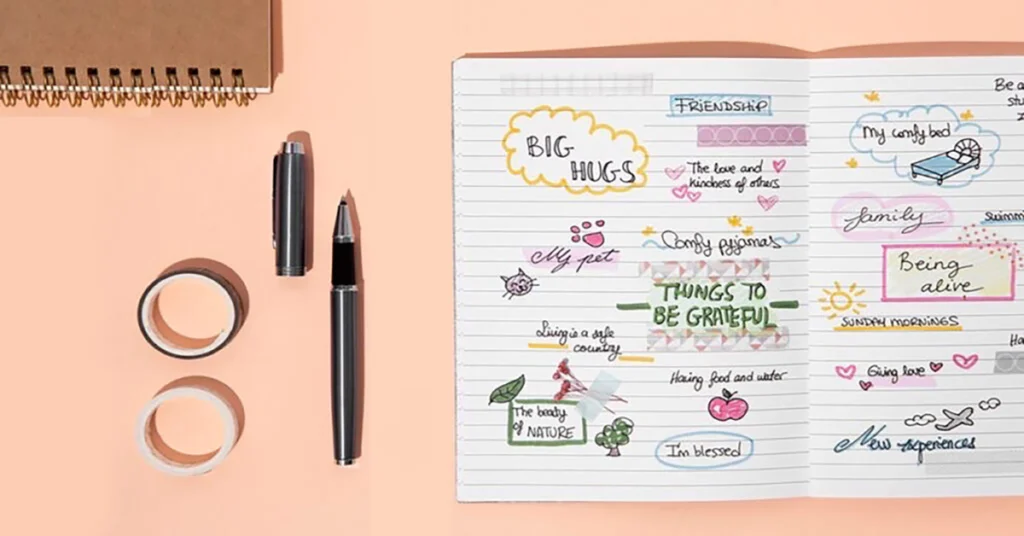
This practice involves consistently writing down things for which you are grateful, helping to cultivate a positive attitude towards life. It also alleviates anxiety and stress by reducing negativity, enabling your brain to recognize more positive aspects than negative ones. Begin by listing three to five specific things you are grateful for, ranging from minor to significant.
Example Entry:
- I’m grateful for the warm coffee I had this morning.
- I appreciate the quiet walk I took during lunch.
- I’m thankful for my cozy blanket and how it made my evening feel peaceful.
Here are a few words that you can use with your entries:
- Grateful
- Thankful
- Blessed
- Lucky
- Appreciative
- Honored
- Privileged
3. Free Writing

Free writing is a simple journaling technique that involves writing without worrying about grammar or spelling mistakes. This “stream of consciousness” approach can help you achieve mental clarity. To start, set a timer for 5 to 10 minutes and write down whatever comes to mind. This process serves as a brain dump, helping to clear your mental clutter.
Example Entry:
I don’t know what to write but my head feels crowded… I’m thinking about tomorrow’s meeting and whether I’m prepared… Maybe I should list what I need to do…
4. Mood Tracking

A mood tracker allows you to consistently record your daily moods and emotions. This practice helps you identify patterns and triggers that influence your mental health. To get started, record your mood each day using colors, patterns, or a scale from 1 to 10. You can also add notes about each day for further insight. By regularly practicing this simple journaling technique, you can easily identify factors that affect your sleep and overall mental health.
Example Entry:
- Mood- 6/10
- Stressed at work/ Felt good after gym
5. Prompt Journaling
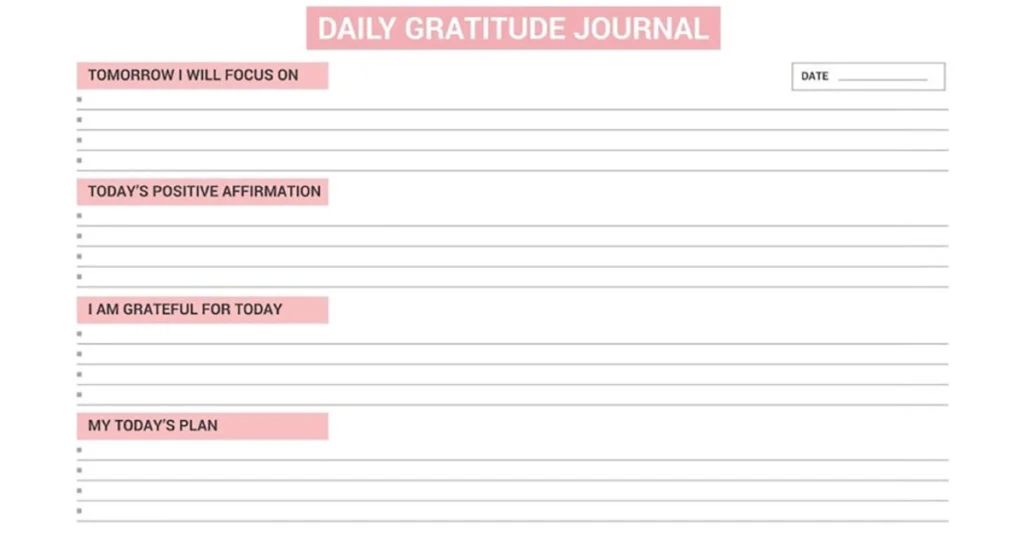
Prompt journaling is a method in which you respond to specific questions or prompts instead of writing freely about a topic. These prompts often focus on daily goals, expressions of gratitude, emotions, and even hypothetical scenarios. This approach can help analyze your inner thoughts and feelings.
Examples of prompt journaling:
- How am I feeling today?
- What is the one thing that I am grateful for today?
- What is your greatest fear?
- List 3 people you are grateful to have in your life.
- What does your ideal day look like?
How to Get Started with Journaling
1. Pick Your Medium:
You can choose a notebook or a digital medium that is convenient for you. Remember, you can use any format that you believe you can maintain regularly.
2. Choose Your Style:
You can choose any of the methods above for simple journaling and start practising it. You may also use all five in a way that you prefer.
3. Create a Routine:
You should set aside a specific time each day for journaling and maintain that schedule consistently. Consider practising gratitude journaling in the morning and mood prompt journaling in the evening. Feel free to customise it to your liking.
4. Create a Comfortable Space:
Find a quiet place where you can write without interruption. This could be a peaceful corner of your home or a nearby park. Ensure that you are free from distractions while you write.
5. Be Authentic:
Share your thoughts openly without fear of judgment. Write freely, not worrying about grammar or spelling errors, and you might find that journaling offers you valuable benefits.
Conclusion
Journaling serves as more than just a method of writing; it is a valuable form of self-care. Regardless of whether one adopts a simple journaling method or a structured approach, the effectiveness lies in the expression of emotions and the positive impact it has on personal well-being. It’s important to recognise that the cornerstone of success in journaling is consistency rather than striving for perfection.
Frequently Asked Questions
1. What is the 3-2-1 method of journaling?
One simple journaling method involves writing three things you are grateful for, two things you are excited about, and one goal you plan to achieve each day. This practice fosters gratitude, boosts productivity, and helps you maintain a positive mindset throughout the day.
2. How is journaling different from keeping a diary?
A diary typically records daily events, such as what you did, where you went, and whom you saw. In contrast, journaling involves a deeper exploration of your feelings and thoughts about those events. It is more reflective and self-focused. Think of a diary as a tool for logging your days, while journaling is a path to self-discovery.
3. When is the best time to journal? Morning or night?
Journaling can be done at any time, depending on your purpose. If you journal in the morning, it can help you clear your mind, set intentions, and establish goals. In the evening, journaling can be a way to process the thoughts and events of the day.
4. What if I’m worried about someone reading my journal?
Make sure to keep your journal in a safe place, such as a locked drawer or a secure box. Alternatively, you can use digital journals that require a password to access. If you’re feeling particularly cautious, you might also consider using codes or shorthand for added security.
5. Should I keep multiple journals for different purposes?
If you prefer to keep everything organized, you can opt for separate journals for gratitude, dreams, and other topics. However, many people tend to write in a single journal.
