
October is a month dedicated to raising awareness. Every year, people wear pink ribbons to show their support for spreading awareness about breast cancer, a life-threatening yet preventable disease. This type of cancer is prevalent among women. Throughout October, individuals around the world unite to promote the message that awareness can save lives, while also working to break the stigma surrounding the disease and support those affected by breast cancer.
Have you ever wondered why October was chosen as the designated month for this cause? Or why pink ribbons are used as a symbol? This article will explore the history and significance of breast cancer awareness, discuss its causes and different types, and highlight prevention methods, including the practical aspects of self-examination.
This article aims to provide valuable information about breast cancer and raise awareness based on research and studies. It is essential to consult your medical practitioner for personalised advice.
Key Takeaways:
- October is internationally recognized as Breast Cancer Awareness Month, during which individuals come together to promote awareness of breast cancer prevention and diagnosis.
- This month, the pink ribbon is a symbol recognised worldwide. People from all over wear it to show unity and support.
- Breast cancer develops when abnormal cells in the breast begin to grow uncontrollably, forming a lump that can spread to other parts of the body.
- Breast cancer is primarily found in women, but men can also be affected, though at a lower rate.
- Breast cancer does not have a single cause; rather, it results from a combination of genetic, hormonal, and lifestyle factors.
- The symptoms of breast cancer can differ from person to person. The most common signs are the presence of lumps in the breast or underarm areas. Additionally, other warning signs may include changes in breast size or unusual nipple discharge.
- Breast cancer is not a single disease; it consists of various types based on where it begins and how it spreads.
- Diagnosis starts with a physical examination, followed by procedures such as a mammogram and MRI. If cancer is detected, the treatment plan will depend on the type and stage of the cancer. Treatment options may include chemotherapy, radiation therapy, or a combination of both.
- Breast Cancer Awareness Month aims to spread the message that awareness saves lives. Since its inception, millions of people have been motivated to undergo early diagnosis and receive effective cancer treatment.
Table of Contents
The History of Breast Cancer Awareness Month
In 1985, the American Cancer Society partnered with the pharmaceutical division of Imperial Chemical Industries, now part of AstraZeneca, the largest producer of breast cancer drugs, to establish National Breast Cancer Awareness Month. This month is observed worldwide through various campaigns to raise funds for research and prevention methods. These initiatives take place throughout October.
The Pink Ribbon

The shades of pink ribbons are a universal symbol representing Breast Cancer Awareness Month. This tradition dates back to the early 1990s when a 68-year-old woman named Charlotte Haley created peach ribbons by hand. She attached these ribbons to cards that read, “The National Cancer Institute’s annual budget is $1.8 billion, but only 5 per cent goes toward cancer prevention. Help us raise awareness among our legislators and the American public by wearing this ribbon.”
Even though she received substantial offers from corporate giants, she chose not to go commercial. Interestingly, the companies produced ribbons in pink colors and promoted them as a symbol of Breast Cancer Awareness Month.
The color pink is commonly associated with femininity, nurturing, and compassion. The pink ribbon represents support and hope in the fight against breast cancer. People wear it to promote awareness and encourage preventive measures. Various campaigns and marathons are organized to raise funds to assist those in need and support early detection initiatives.
The 2025 Goal
According to the World Health Organization (WHO), approximately 2.3 million women were diagnosed with cancer in 2022, and 670,000 lost their lives to the disease. This number is increasing due to a lack of awareness and early treatment. In 2021, the WHO established the Global Breast Cancer Initiative (GBCI), which collaborates with countries to meet annual cancer prevention and treatment targets. The GBCI has outlined three key strategic pillars that every country must follow to address this growing issue.
- Health promotion and early detection of disease and symptoms.
- Timely diagnosis and accessibility of services.
- Comprehensive and uninterrupted treatment.
The goal of Breast Cancer Awareness Month in 2025 is as follows:
- To highlight the importance of health promotion, early detection, and timely diagnosis.
- To foster multisectoral partnerships by engaging stakeholders to create and amplify impact.
- To promote equitable access to quality care by adopting and implementing GBCI targets.
What Is Breast Cancer and What Causes It?
Breast cancer is a common type of cancer that originates in the breast tissue when abnormal cells begin to grow uncontrollably. This excessive growth can lead to the formation of a tumor, which may spread to other parts of the body. The disease starts with mutations, or changes, in breast cells that cause them to multiply rapidly. The excess cells that are not needed can cluster together, forming a mass known as a tumor. These tumors may remain localized or can spread to lymph nodes and other organs. While breast cancer primarily affects women, it can also occur in men, though at a lower rate.
Breast health is an essential part of overall women’s health. Awareness plays a key role in long term wellness. From maintaining a healthy diet to staying physically active can help reduce health risks at every stage.
Key Causes of Breast Cancer
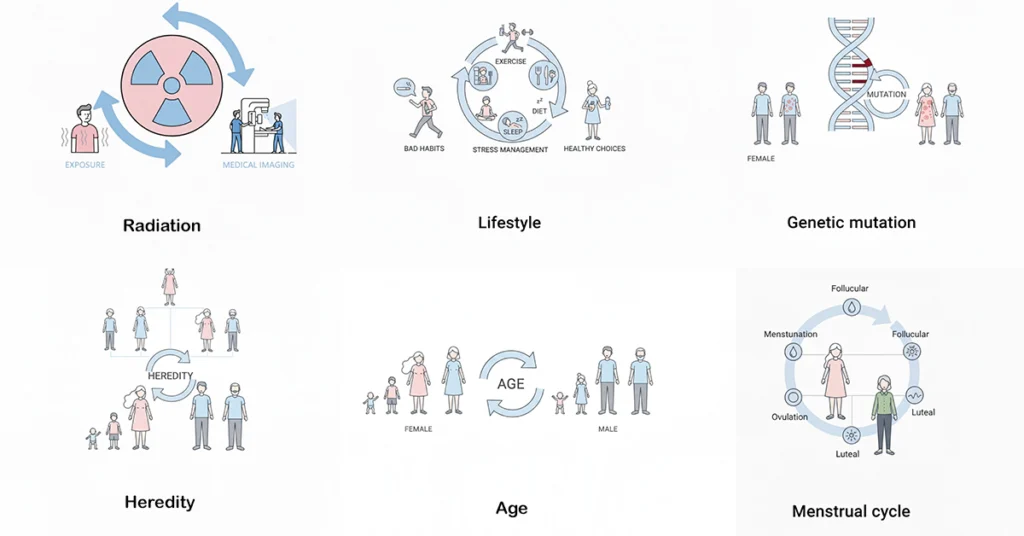
A single factor does not cause mutations in DNA. Breast cancer arises from a combination of several factors, which may include any or all of the following:
1. Age and Gender: Women over the age of 50 are at a significantly higher risk of developing breast cancer.
2. Family History: A history of cancer in one’s family can greatly increase the likelihood of developing this disease.
3. Menstrual Cycle: Beginning menstruation at age 12 and continuing until age 55 can increase the risk of breast cancer.
4. Genetic Mutations: Mutations in DNA, whether inherited or acquired, pose a significant risk. Specifically, mutations in the BRCA1 and BRCA2 genes are known risk factors.
5. Lifestyle Factors: Obesity is a major contributor to many lifestyle-related diseases. Being obese after menopause significantly raises the risk of breast cancer. Other lifestyle factors include alcohol consumption, lack of physical activity, and smoking, all of which can increase risk.
6. Radiation Exposure: Radiation treatments, such as those using high-energy X-rays, can cause mutations in DNA and increase the risk of breast cancer.
By understanding these factors, individuals may be better equipped to assess and manage their risk for breast cancer.
Symptoms of Breast Cancer
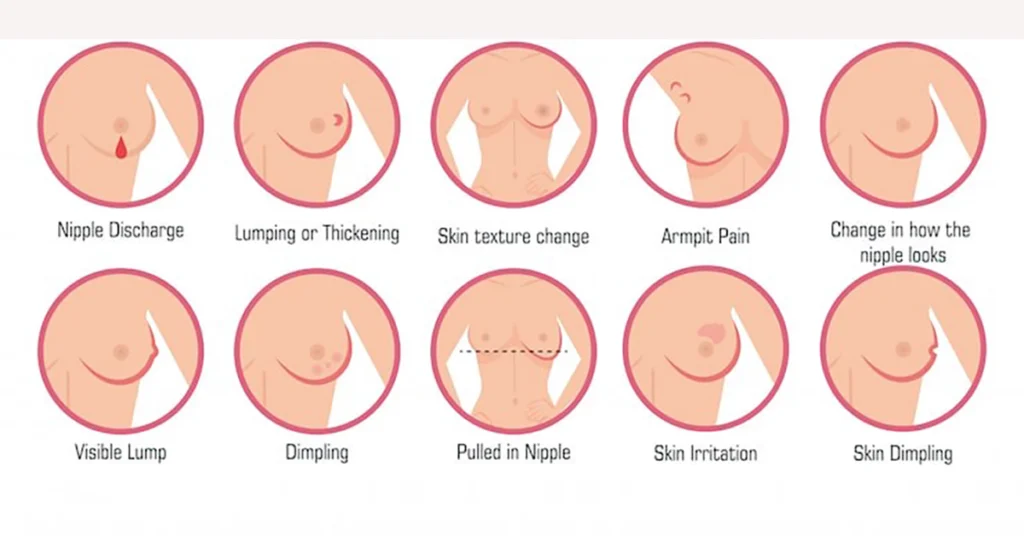
Most people do not show physical symptoms of breast cancer until they undergo screening. The most common symptom is the formation of new breast lumps. However, not all lumps are cancerous. Painless lumps that are hard and have irregular edges are more likely to be cancerous.
Common Warning Signs Include:
- A lump or thickening in the breast or underarm.
- Changes in the shape, size, and appearance of the breast.
- Puckering or indentations in breast skin.
- Unusual nipple discharge, whether clear or bloody.
- Continuous pain and swelling in the breast.
- Red, scaly patches of skin on the breast.
- Changes in skin color or texture.
- Changes in the nipple, such as a pulled-in nipple.
- Dryness of breast skin.
Types of Breast Cancer
Breast cancer is a disease that has many variations that are classified based on where it starts. Specialists examine the condition thoroughly to identify the subtypes to tailor effective treatments.
1. Ductal Carcinoma In Situ (DCIS):
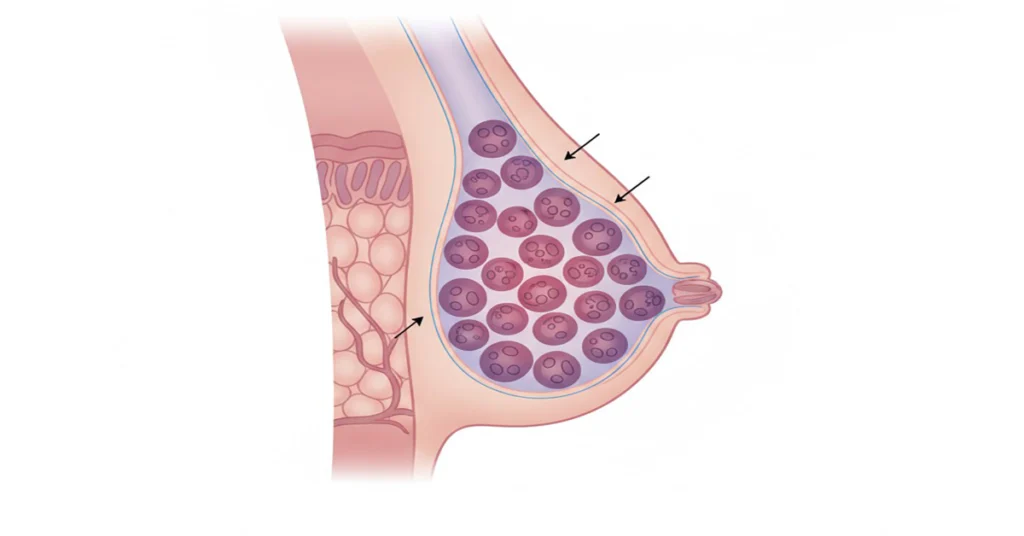
Ductal Carcinoma In Situ (DCIS) is a type of cancer that occurs within one or both of your milk ducts. This cancer is classified as in situ, meaning it is contained within the milk ducts.. This is a form of cancer that doesn’t spread and is usually curable.
2. Invasive Ductal Carcinoma (IDC):
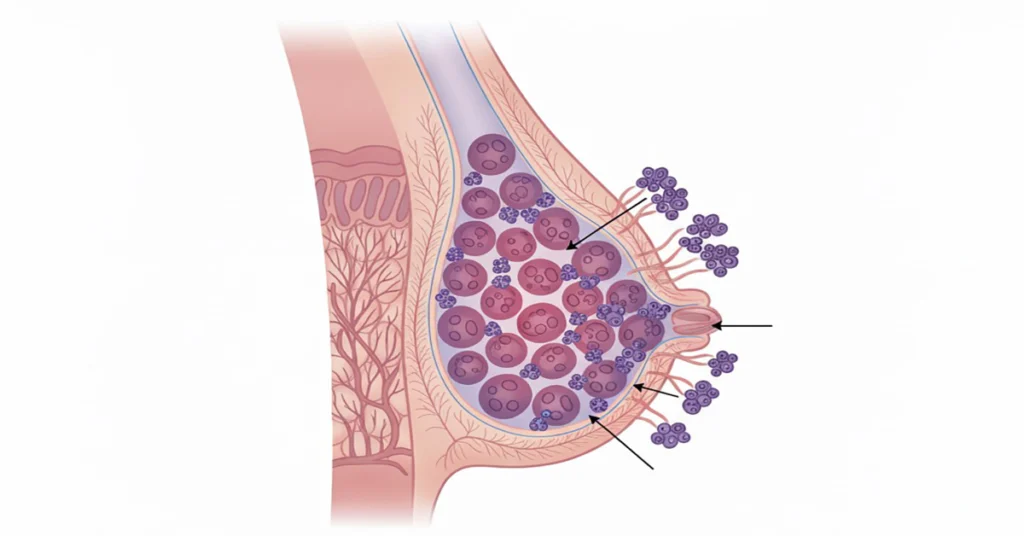
Invasive Ductal Carcinoma (IDC) is the most prevalent type of breast cancer, accounting for approximately 80% of all cases in both women and men. It primarily affects individuals aged 55 and older. This cancer begins in the milk ducts and can spread to the surrounding breast tissues and eventually to other parts of the body.
3. Invasive Lobular Carcinoma (ILC):
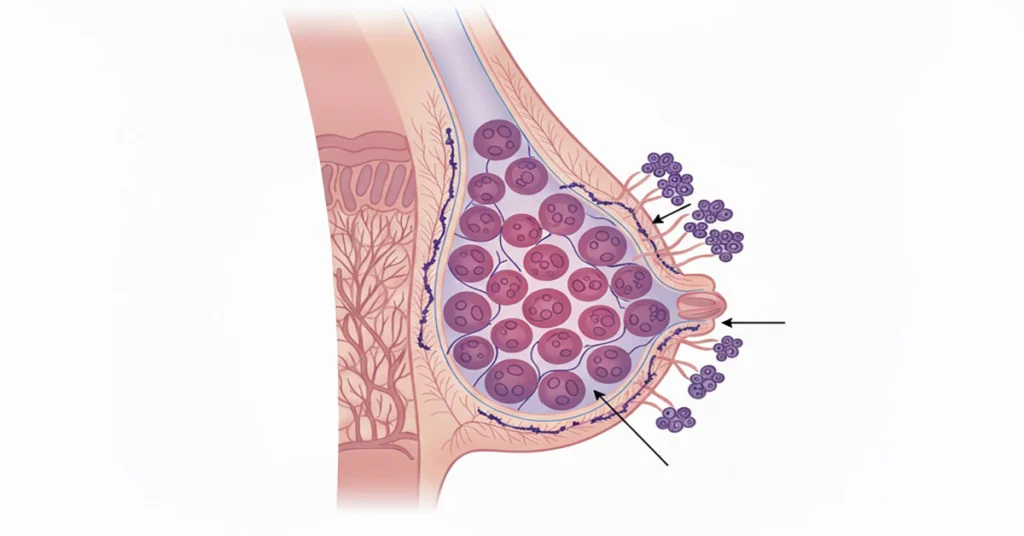
About 10% to 15% of breast cancers are classified as Invasive Lobular Carcinomas. This type of cancer originates in the milk-producing glands, known as lobules, and can gradually spread to other parts of the body. The primary female hormone, estrogen, plays a significant role in the growth of this cancer.
4. Triple-Negative Breast Cancer (TNBC):
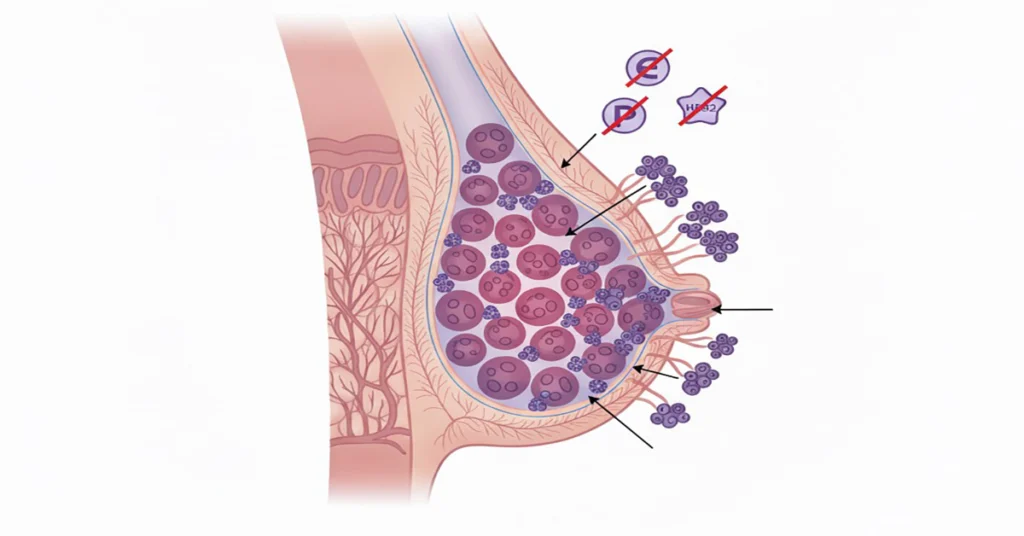
Triple-Negative Breast Cancer (TNBC) is a rare type of breast cancer that accounts for only 15% of all breast cancer cases. Unlike other forms of breast cancer, TNBC does not have receptors that promote cancer growth, which means that commonly used cancer medications, which typically target these receptors, are often ineffective. This lack of targeted treatment options makes TNBC more challenging to manage. However, recent research has shown that combining certain cancer drugs may help extend the life of individuals diagnosed with this condition.
5. Inflammatory Breast Cancer (IBC):
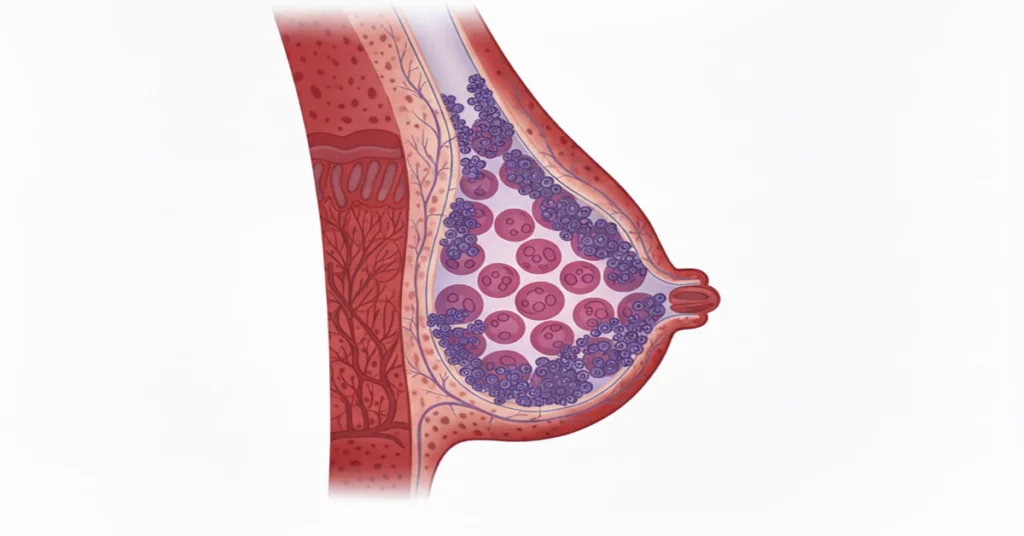
Inflammatory breast cancer occurs when cancerous cells block the lymphatic vessels in the breast, leading to inflammation. This type of cancer is considered rare. As a result of this inflammation, one breast may appear swollen or discolored, and there may be a noticeable difference in size between the two breasts.
6. Paget’s Disease of the Breast:
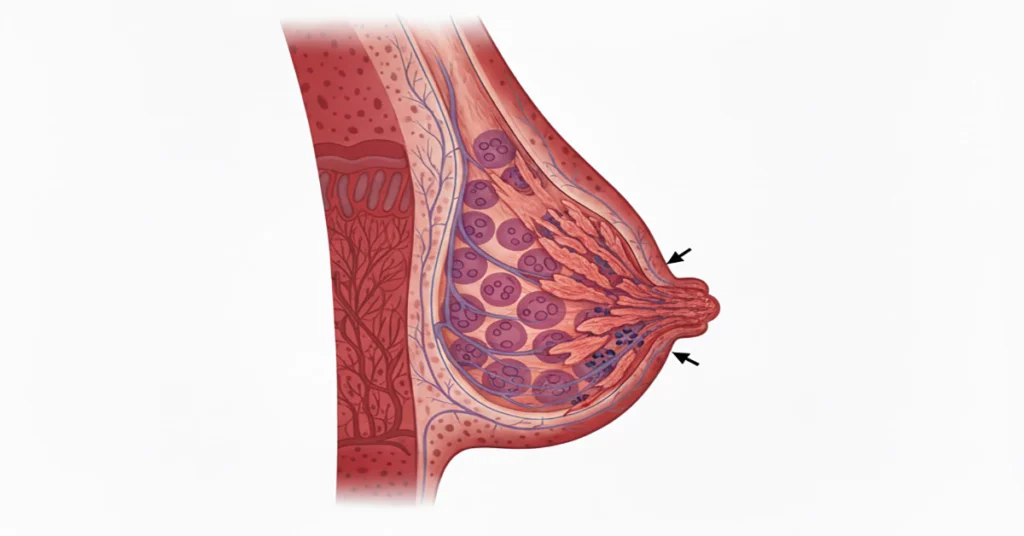
Paget’s Disease of the Breast is a rare type of breast cancer that originates in the skin of the nipple. Often, this condition is mistaken for a simple rash. While many individuals experience symptoms like itching and redness in the nipple, these can be signs of Paget’s Disease. It’s important to note that most people with similar symptoms may not have this form of cancer.
Did You Know? Paget’s disease is named after Sir James Paget, who found the relation between these symptoms and the underlying cancer.
Diagnosis Of Breast Cancer
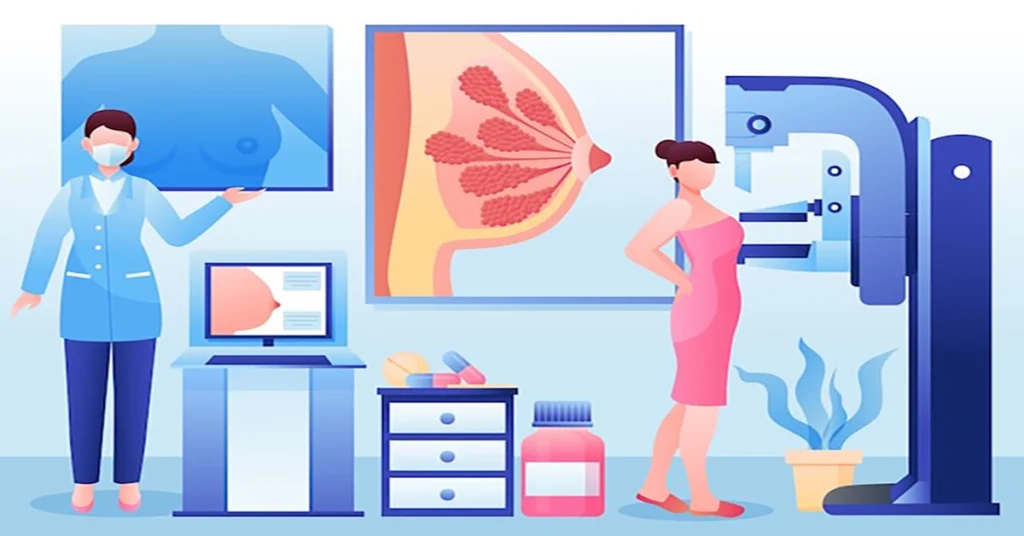
The diagnosis of breast cancer starts with discussing your symptoms with a healthcare specialist. They may perform various screening methods and examinations before determining your condition.
1. Breast Examination:
A breast examination is a type of diagnosis in which a healthcare professional physically examines your breasts and the surrounding areas. They look for any unusual changes, such as alterations in breast size, swelling, or nipple discharge. The examiner will also palpate your breasts to check for any lumps. Additionally, your collarbones and armpits will be evaluated to ensure a thorough assessment.
2. Mammogram:
A mammogram is an X-ray exam of the breasts used to diagnose breast diseases. It helps identify tumors and cysts that may not be detected during a physical examination. During the procedure, the breast is positioned between two plates and compressed to produce clear X-ray images.
3. Breast Ultrasound:
An ultrasound uses sound waves to create clear images of the inside of the body. This medical imaging procedure helps to visualize the internal structures of the breast and is typically performed to further investigate findings from a mammogram.
4. Breast MRI:
A breast MRI (Magnetic Resonance Imaging) uses magnetic fields and radio waves to produce detailed images of the breast. It is typically utilized when mammogram and ultrasound results are inconclusive, as well as when there is a need for close monitoring of a specific area in the breast.
5. Breast Biopsy:
A breast biopsy is a diagnostic procedure in which a sample of breast tissue is removed and examined to detect cancer.
6. Self-Assessment:
In addition to these medical diagnoses, you can perform self-examinations at home, but do not consider it a substitute for a professional medical diagnosis. There are three ways you can examine yourself. Here’s how:
- Stand in front of a mirror and observe any changes in the size, shape, and appearance of your breasts and nipples.
- While standing, use your fingers to feel for lumps in your breasts and in your armpits.
- When lying down, examine one breast at a time, feeling for any specific changes.
Men and Breast Cancer
Male breast cancer is a rare type of cancer that develops in breast tissue, accounting for less than 1% of all breast cancer cases. While it is uncommon for men to develop breast cancer, it is still possible since all human beings have breast tissue. This disease typically occurs in older males, but it can affect individuals of any age. The symptoms are similar to those experienced by women with breast cancer.
Treatment
The treatment for breast cancer varies based on the stage, type, and spread of the cancer, as well as the person’s age and overall health. The main treatment options include:
1. Surgery is the main method of treatment. The primary types of surgery are as follows:
– Lumpectomy : This procedure involves the removal of the tumor along with some surrounding tissue.
– Mastectomy : This procedure entails the complete removal of one breast or both breasts.
2. Radiation Therapy employs high-energy radiation to target and eliminate cancer cells, typically given after surgery.
3. Chemotherapy utilizes anti-cancer medications to reduce tumor size and lower the chance of recurrence.
These treatment options may be utilized alone or in combination, depending on the individual patient’s situation.
Prevention of Breast Cancer
You can reduce the risk of breast cancer by adopting a better lifestyle and healthy choices, which include:
- Maintaining a healthy weight.
- Staying physically active.
- Avoid the use of tobacco.
- Breastfeeding.
- Avoid excessive radiation.
- Maintaining a balanced diet.
- Regular screening and self-examination.
Conclusion
In the United States, breast cancer rates have dropped by 44% since 1989, marking a significant achievement made possible through years of awareness efforts. Breast Cancer Awareness Month serves as a powerful reminder of the critical importance of awareness and how early diagnosis can save lives from one of the most common cancers affecting women worldwide. Since 1985, individuals across the globe have united to promote education about this disease, encouraging millions to seek early diagnoses and treatment at earlier stages. Additionally, this movement has fostered conversations and helped break the stigma surrounding breast cancer. The message remains clear: awareness saves lives. By continuing to prioritize awareness, research, support, diagnostics, and early prevention, millions more lives can be saved.
Frequently Asked Questions
1. What is the best age to get a mammogram?
Getting a mammogram depends on an individual’s health condition and risk factors for breast cancer. Most experts recommend that women begin having mammograms at age 40. However, for those with a family history of breast cancer, it’s recommended to start at age 35. After the age of 55, women should get a mammogram every two years, even if their results are normal. Women of all ages should consider regular breast examinations, and self-examinations are also important.
2. What does a breast lump usually feel like?
A breast lump can vary significantly in both size and texture. Some lumps may feel firm and solid to the touch, while others might be soft and pliable. Additionally, some may be freely movable beneath the skin, allowing for varying degrees of mobility, while others may feel more fixed in place. But remember, not all breast lumps are of breast cancer.
3. Why are my boobs so itchy?
Itching can arise from several factors, including dry skin, irritation from soaps, tight clothing, sweat, friction, hormonal changes during menstruation or pregnancy, and even allergies. While itching is usually not a serious concern, it can become problematic if it persists. In such cases, it’s advisable to consult a health professional.
4. What are the signs of healthy breasts?
Signs of healthy breasts include:
1. Healthy breasts have smooth skin without any redness, swelling, or rashes.
2. Typically, breasts have a fibrous or bumpy texture. If both breasts have a similar texture, this is considered a sign of health.
3. Although breasts may differ in size and shape, similar breast sizes are also considered healthy.
4. The absence of any nipple discharge, except during pregnancy and breastfeeding, is a good indicator of healthy breasts.
5. What is the oldest case of breast cancer?
The oldest known case of breast cancer was discovered in Egypt, dated to around 2200 B.C.E. The remains belonged to an Egyptian woman whose skeleton showed signs of being significantly affected by cancer that had spread to her bones. Alongside the physical evidence, written records were found in the ancient Egyptian medical text known as the “Edwin Smith Papyrus.” This text describes various cases of breast tumors and ulcers.
