
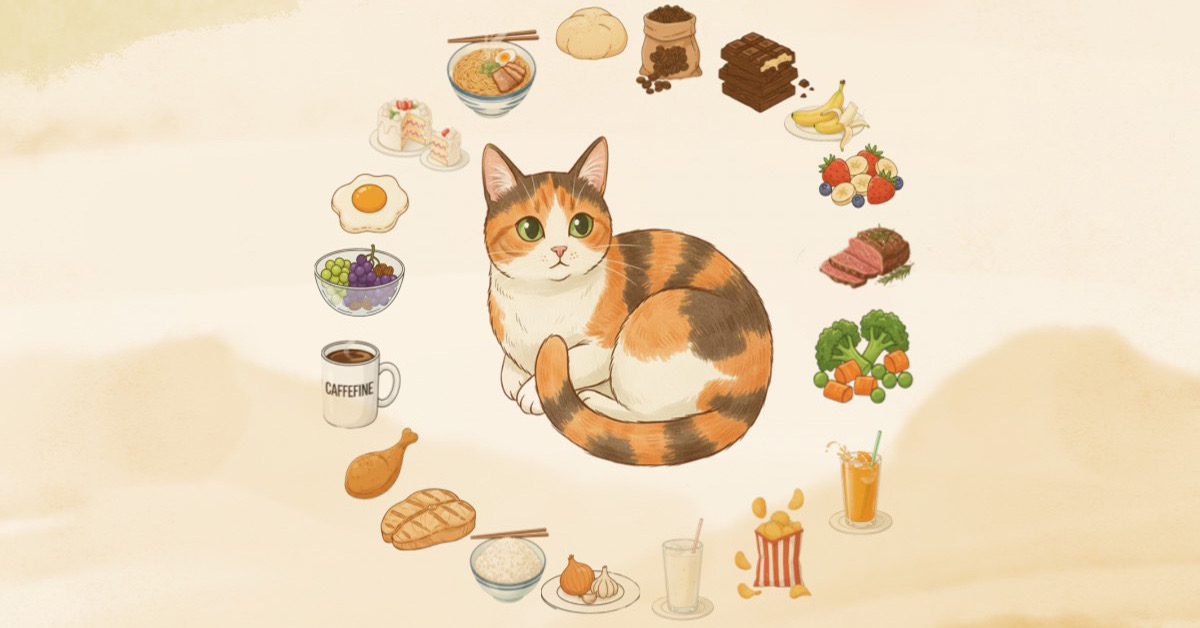
Does your furry friend always try to sneak a bite from your plate, and you can’t resist that innocent face? While it’s hard to say no, not all human food is safe for cats. In fact, some can even be harmful. As a cat parent, it’s essential to prioritize your pet’s health. Feeding them inappropriate foods can lead to serious health issues. Therefore, having a good understanding of their dietary needs is crucial. This blog will explore suitable human food for cats, highlight what to avoid, and debunk common myths about cat food. Let’s dive in!
Key Takeaways:
- Cats require animal-based protein and essential amino acids to maintain their health.
- Even safe human foods should be given in moderation, and portion sizes must be controlled.
- Human food for cats must be provided cooked rather than raw, as raw meat can contain bacteria and harmful substances that are dangerous to cats.
- Myths can be dangerous, so always verify your information with reliable sources before trusting it.
- Pay attention to the warning signs your cat displays. Unusual behaviors can indicate the unsafe consumption of human food.
Table of Contents
Understanding Cats’ Nutritional Needs
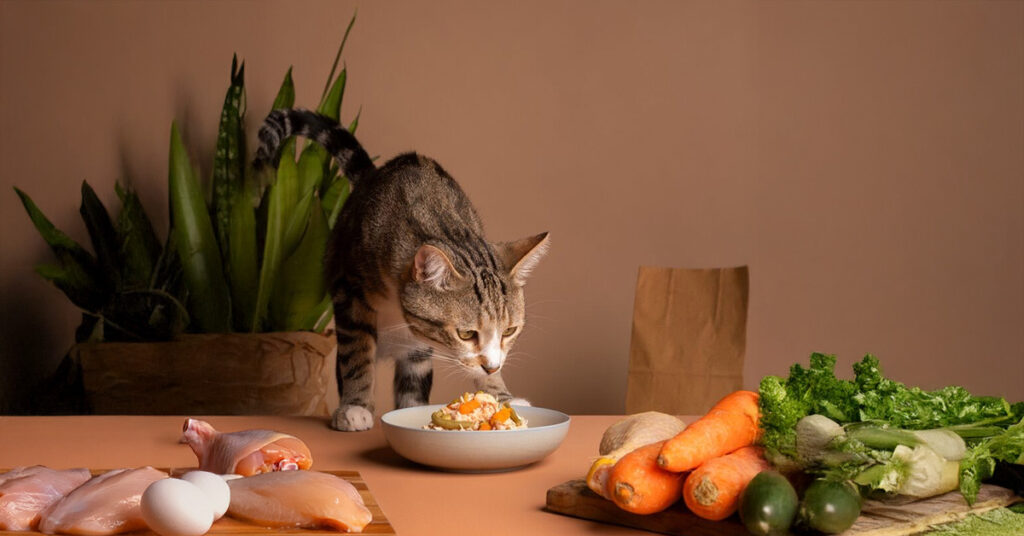
Before understanding their dietary needs, cat parents must know what they can and cannot consume. Cats are fascinating creatures, designed by nature to be obligate carnivores. Their bodies are finely tuned to extract the essential nutrients they need from animal tissues. Unlike omnivores, who can survive on a mix of plants and meat, our feline friends thrive solely on the goodness of beef. It’s a remarkable adaptation highlighting just how uniquely special cats are!-based nutrients. They need a balance of the following to remain healthy.
- Animal Protein: The primary source of energy comes from animal protein, which supports a cat’s muscles and organs.
- Fat: Provides energy and essential fatty acids that contribute to healthy skin, coat, and cell function.
- Amino Acids: Cats require specific amino acids, particularly taurine and arginine, which they cannot produce on their own. The best sources of these are muscle meat, liver, and seafood such as fish and shellfish.
- Vitamins: Essential vitamins, including A, D, E, K, and the B-complex vitamins, should come from animal sources because cats cannot obtain them from plants. These vitamins are crucial for maintaining healthy vision, skin, bones, and tissues.
- Minerals: Cats need a balanced intake of minerals such as calcium, phosphorus, magnesium, potassium, and sodium.
- Water: Adequate hydration is vital, so water and wet food are essential components of a cat’s diet.
Due to their unique dietary needs, meat-based foods are generally safer and more beneficial for cats, even when considering human food options. Cats do not require carbohydrates in their diet, as they can meet all their nutritional needs through proteins and fats. Although carbohydrates can provide some dietary fibre, which is important for maintaining gut health, they are not essential for a cat’s overall nutrition.
5 Safe Human Foods for Cats
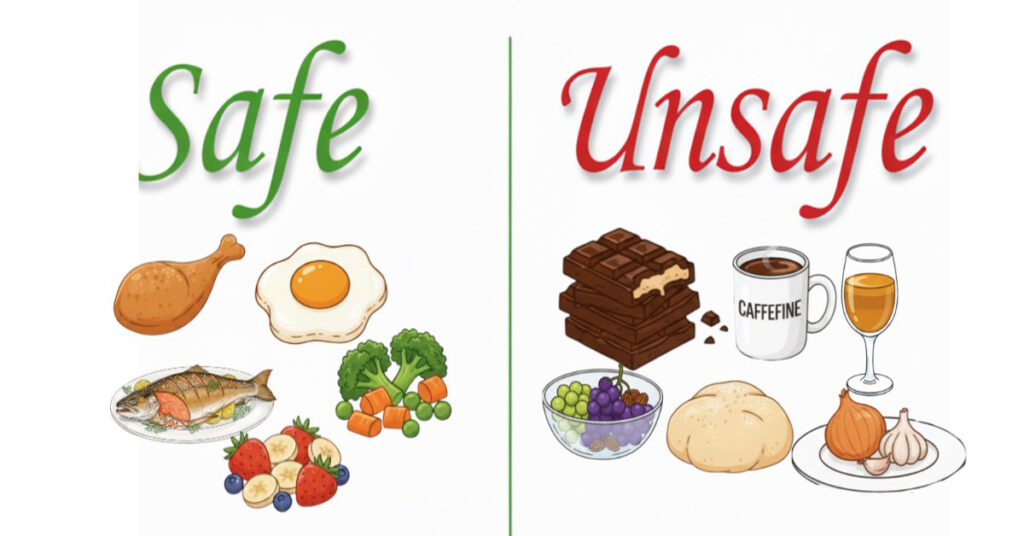
Cats can occasionally eat human food, but only in moderation. Meat-based options are generally more beneficial than plant-based ones.
1. Cooked Meat:
Felines enjoy consuming meat. You can serve cooked chicken, beef, or turkey without any added flavour or seasonings. Meat ranks among the top foods suitable for human food for cats. It offers nutritional benefits like protein, which aids in muscle development and enhances overall health. Plus, they taste great!
2. Cooked Fish:
Fish such as salmon and tuna are excellent sources of omega-3 fatty acids, which can help promote a healthy coat and support joint health in pets. However, it’s important to feed these fish as an occasional treat rather than as a replacement for their regular diet. Additionally, serve them in small portions. Since raw fish may contain harmful enzymes and parasites, always ensure that the fish is cooked before serving it to your pet.
3. Eggs:
Eggs are rich in protein and B vitamins, making them a healthy snack. However, cats do not like raw eggs; instead, provide them with scrambled or boiled variations.
4. Vegetables:
Cats can eat some vegetables in moderation, but they are obligate carnivores and do not require vegetables for their primary nutrition, which comes from meat. Safe options include cooked, plain carrots, broccoli, peas, pumpkin, and green beans, as these provide fibre, vitamins, and minerals. However, vegetables should only make up a small part of their diet. It is also important to avoid harmful vegetables such as onions, garlic, and spinach.
5. Fruits:
Many fruits are safe for cats to eat in moderation, including strawberries, melon, bananas, pears, blueberries, and nectarines Blueberries are among the tastiest foods for cats. Serve them one or two at a time. They’re low in calories, full of antioxidants, and can make a fun little treat.
5 Human Foods Cats Should Never Eat
When it comes to human food for cats, knowing what’s unsafe is just as important as knowing what’s safe. Some foods are safe for cats in moderation, but others can be toxic and dangerous. These harmful foods can cause infections and serious health issues in cats.
1. Chocolate:
Did you know that chocolate can be dangerous for our feline friends? It contains theobromine and caffeine, both of which are toxic to cats. Even just a little bit can lead to some serious health issues, such as vomiting, diarrhoea, rapid breathing, and even seizures. So, it’s best to keep those chocolate treats out of paws’ reach!
Fun Fact: Cats cannot taste sugar because they lack sweet taste receptors, so cake or candy has no appeal to them.
2. Onion and Garlic:
Common kitchen ingredients can harm cats’ red blood cells, leading to anaemia. One such ingredient, N-propyl disulfide, damages these cells and may result in severe health issues or even death if untreated.
3. Grapes and Raisins:
The exact toxic compound in grapes and raisins that can lead to kidney failure in cats and dogs is currently unknown. However, even a small amount can be harmful. Tartaric acid is suspected to be the toxic substance, but the precise mechanism of toxicity is unclear. Symptoms of poisoning may include vomiting, diarrhoea, loss of appetite, and lethargy. If your cat consumes grapes or raisins, it is important to contact a veterinarian immediately.
4. Alcohol and Caffeine:
Alcohol can significantly harm a cat’s liver and brain, leading to serious symptoms such as vomiting, tremors, coma, and potentially death, even in small quantities. Similarly, caffeine found in coffee, tea, and energy drinks acts as a stimulant and may result in a rapid heart rate, restlessness, muscle tremors, and seizures in cats.
5. Raw Dough with Yeast:
Yeast dough can expand in a cat’s stomach, leading to bloating and potentially dangerous alcohol production during fermentation.
Tips for Feeding Human Food to Cats Safely
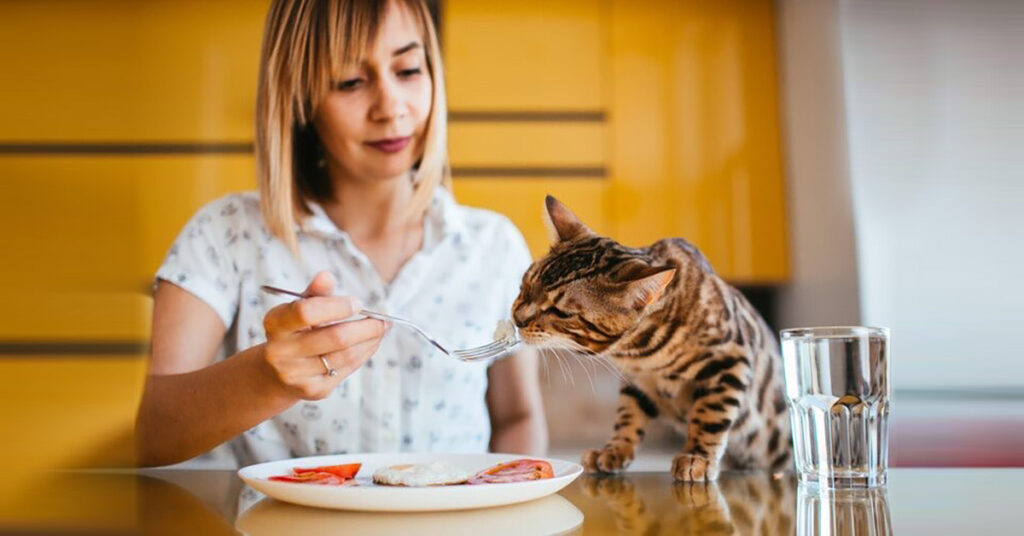
If you want to share human food with your feline friend, keep the following tips in mind:
- Keep the portions tiny.
- Avoid seasoning such as salt and spices.
- Ensure that meat, fish, and eggs are cooked thoroughly.
- Introduce human food gradually, and monitor for any potential allergies or digestive issues.
- Do not substitute cat food with human food; ensure that their diet remains balanced.
How Can You Tell if Your Cat Has Eaten Unsafe Human Food?
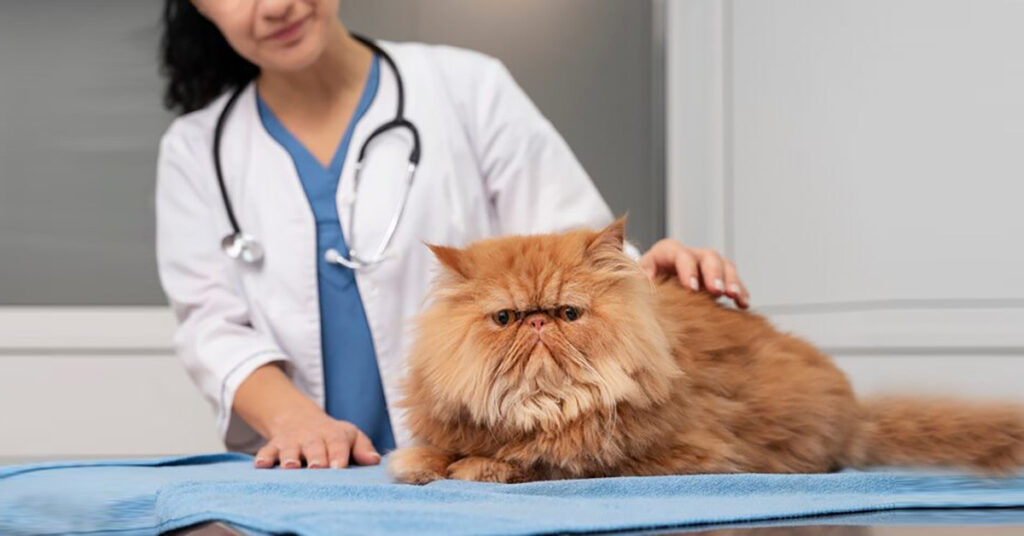
If you believe your cat has ingested toxic food, watch for the following symptoms:
- Vomiting or diarrhea
- Lethargy or weakness
- Excessive drooling
- Difficulty breathing
- Tremors or seizures
If these symptoms persist, seek immediate help from a veterinarian before the condition worsens.
Common Myths About Human Food for Cats

Myth 1:
Cats enjoy drinking milk, so it’s beneficial for them.
Truth: Many adult cats are lactose intolerant, which means that consuming milk can lead to diarrhea and stomach upset.
Myth 2:
Raw meat is healthier for cats.
Truth: Raw meat can carry harmful bacteria such as Salmonella and E. coli, making cooked meat a safer option.
Myth 3:
A small amount of chocolate will not harm a cat.
Truth: Even small amounts of chocolate can be toxic. It is never safe to test this myth, as it can be dangerous.
Myth 4:
Cats can eat dog food if necessary.
Truth: Cats require taurine and higher protein levels that are not present in dog food. Long-term feeding of dog food can be harmful to cats.
Myth 5:
Dry food is enough.
Truth: Cats require moisture in their diet, and feeding them wet food can help prevent dehydration and urinary problems.
Conclusion
Sharing food with your cat can enhance your bond, but it requires careful consideration. While some human foods, such as cooked meat, pumpkin, and blueberries, can be safe in moderation, many others including chocolate and onions are toxic. Always prioritise your cat’s health. Stick to their specially formulated cat food, and provide safe human snacks only as occasional treats. By knowing the do’s and don’ts, you can help ensure that your feline friend remains happy, healthy, and well-fed.
Frequently Asked Questions
1. Can my cat eat rice?
Cats can occasionally have a small portion of rice since it is non-toxic and has minimal nutritional value. However, feeding too much rice can lead to health issues like diarrhea, obesity, or stomach upset.
2. What’s a good feeding schedule for cats?
The perfect feeding schedule for an adult cat typically consists of three to four meals each day. This routine not only keeps your feline friend satisfied but also supports their overall health and vitality.
3. Does my cat have worms or parasites?
You may notice spaghetti-like worms, small rice-grain segments, or eggs in your cat’s stool or vomit. Some cats may eat more than usual but still lose weight, while others may lose their appetite. A pot-bellied appearance is especially common in kittens and often signals the presence of worms.
4. How can I tell if my cat is hungry?
Many cats meow persistently at mealtimes to indicate hunger. A hungry cat may follow you around the house, especially towards the kitchen. Some cats pace, scratch at their bowls, or sit near their feeding area when they are hungry.
5. What is a cat’s favorite human food?
Many cats enjoy meat, so their preferred human food typically includes plain cooked chicken, turkey, or beef. Some also like cooked fish, such as salmon or tuna, and small portions of scrambled or boiled eggs.
