
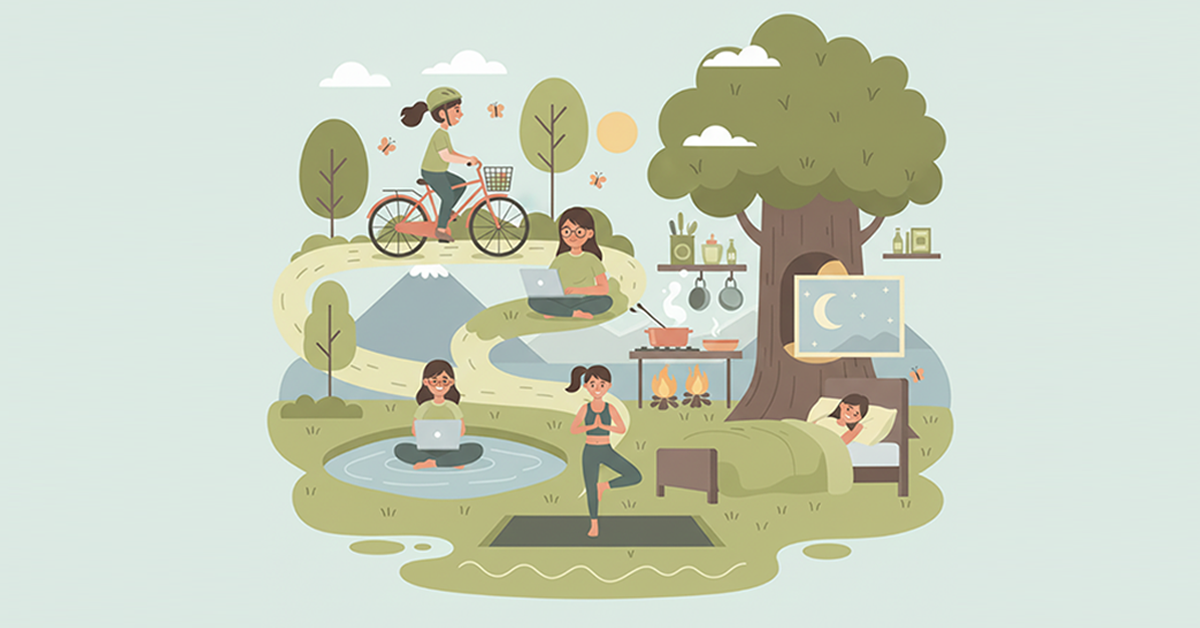
Lifestyle includes all your daily choices and behaviors, such as what you eat, how you move, and your stress levels. Wellness is an optimal state of overall physical, mental, emotional, and social health. Living a healthier life comes from understanding that lifestyle and wellness are shaped by the small decisions we make each day.
We often pursue external goals, such as increased productivity, healthier skin, and more money. Yet, we tend to overlook that wellness isn’t achieved through drastic lifestyle changes; it’s about paying close attention to yourself. When you slow down, you gain a clearer picture of who you are and what adjustments you need to make. Making just a few lifestyle tweaks can lead to greater overall wellness.
This comprehensive guide brings together essential pillars to help you redesign your life by cultivating your physical, mental, and emotional health.
Key Takeaways:
- Mindfulness helps you understand your thoughts, emotions, and daily habits. Small moments of awareness, like mindful breathing or noticing small things, build more clarity.
- Healthy living comes from simple daily choices, such as gentle movement, hydration, and good sleep, that support your overall well-being.
- Setting clear boundaries, naming your feelings, and journaling can help you gain emotional balance in life.
- Decluttering your space helps reduce mental clutter, helping you think clearly and make better decisions.
- Reducing screen time and creating a time limit for browsing social media helps improve focus, peace, and mental clarity.
- Reaching out to people and nurturing relationships can improve your social well-being.
- Start with a few simple goals you intend to achieve. Be consistent and avoid multitasking.
Table of Contents
Creating a Mindful Lifestyle Starts With Awareness
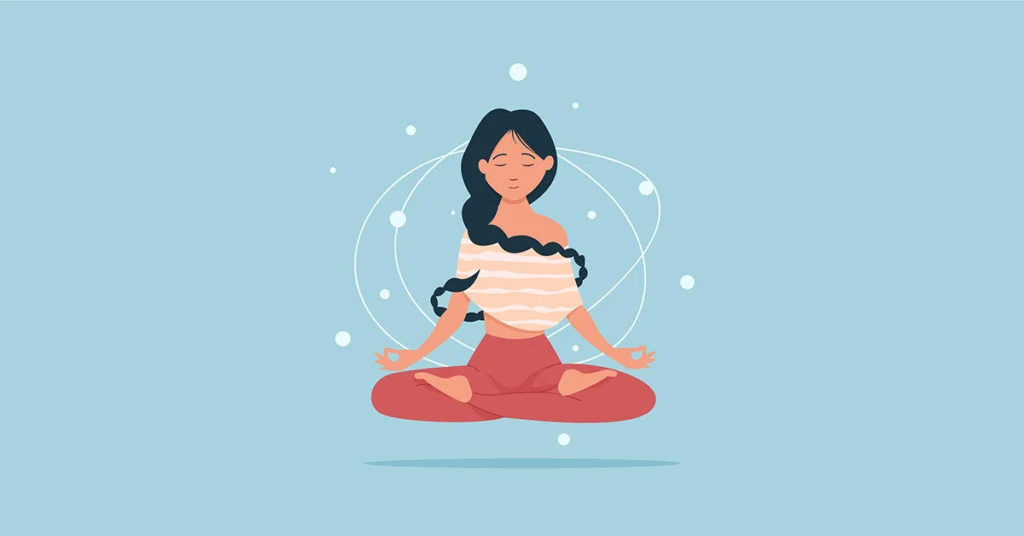
Mindfulness is the practice of intentionally focusing your attention on the present moment. There are specific mindfulness practices, such as
- Mindful Breathing
- Body Scan Meditation
- Walking Meditation
- Mindful Eating
Mindfulness is not just about meditation; it is about being more aware of your inner and outer worlds. It’s noticing how you feel in the morning and recognizing what drains you. Start paying attention to small joys each day and try to absorb the positivity they bring. Paying attention while having a cup of tea, feeling the morning breeze, and hearing the chirping birds can bring you joy when you notice them. These small moments of practice bring calmness without requiring extra time.
Choose Movement as a Form of Self-Love
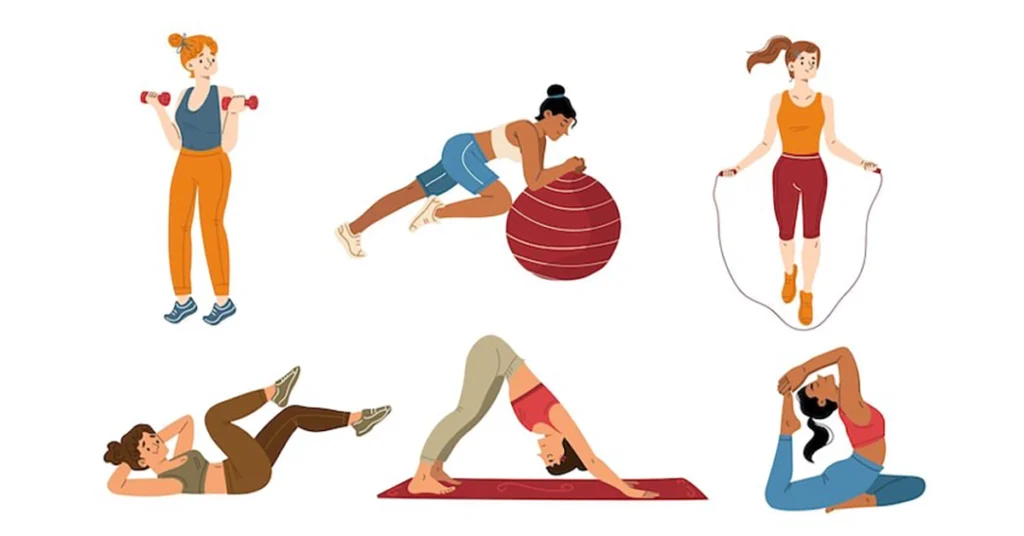
Being physically active is a good approach to lifestyle. You don’t have to follow a strict workout to stay active; instead, you can choose simple yet effective movements like a 10-minute walk, dancing to your favorite song, or even cleaning. It is not necessary to do vigorous activities like squats and pushups; the key is to keep your body moving.
Movement offers powerful benefits:
- Boosts mood and energy
- Improves circulation
- Releases mental fog
- Reduces stress
- Enhances digestion
The key lies in listening to your body’s needs and moving accordingly. Remember never to push yourself into pain and prioritize feeling good about whatever you’re doing. Approaching with compassion makes it easier to stay consistent.
Nutrition is Love, Not Limits

Healthy eating is not about following rigid rules every day. It is about knowing how to balance your diet with the right and healthy foods. A balanced lifestyle keeps you healthy and moving without fatigue. It is not necessary to keep track of your calories, but if you do, it’s better. But without worrying too much about consuming a lot, you can balance meals and not avoid any. Instead, learn to prioritize:
- Prioritize whole, colorful food that provides the essential vitamins, minerals, and fiber your body needs.
- Water is the foundation of energy as well as digestion. Keep yourself hydrated to avoid the stoppage of processes.
- Balance your meals by combining protein, fats, and carbohydrates to create the energy needed for the body.
- Taking time to eat your food is more important than just consumption. Slow, mindful eating improves digestion and gives you a sense of satisfaction with what you consume.
- Try understanding your body’s cues of fullness and hunger so that you can be alert to overeating.
The Power of Sleep and Recovery
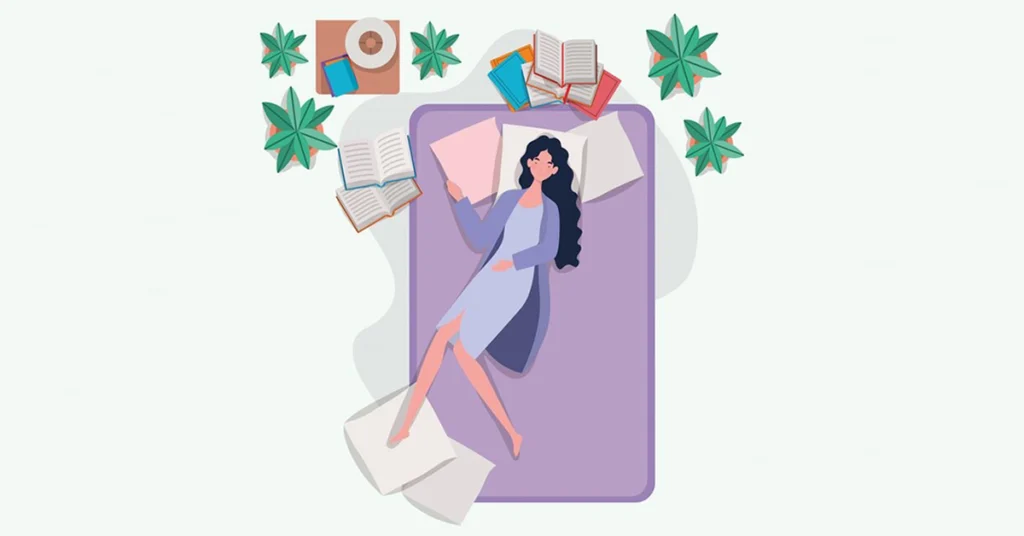
We constantly try to make changes in various aspects of our lives, but what we miss is the importance of rest. Rest, especially sleep, is an unavoidable factor that helps develop your overall well-being. Sleep is when your body is under maintenance of energy. It helps your body to perform well. Making your resting time is an absolute necessity. If you are someone having trouble sleeping, here are a few tips:
- Creating a bedtime routine, like taking a bath or gentle activities like reading a book or stretching, signals the brain that it is time to sleep.
- Reducing your screen time one hour before bed helps you sleep better.
- Keeping a consistent sleep routine of sleeping and waking up at the same time every day helps you regulate your sleep cycle.
- Journaling or writing down your thoughts of the day can help you offload your worries and stress.
Resting doesn’t solely mean sleep. Rest includes a period of stillness and downtime during the day.
Achieving Emotional Balance
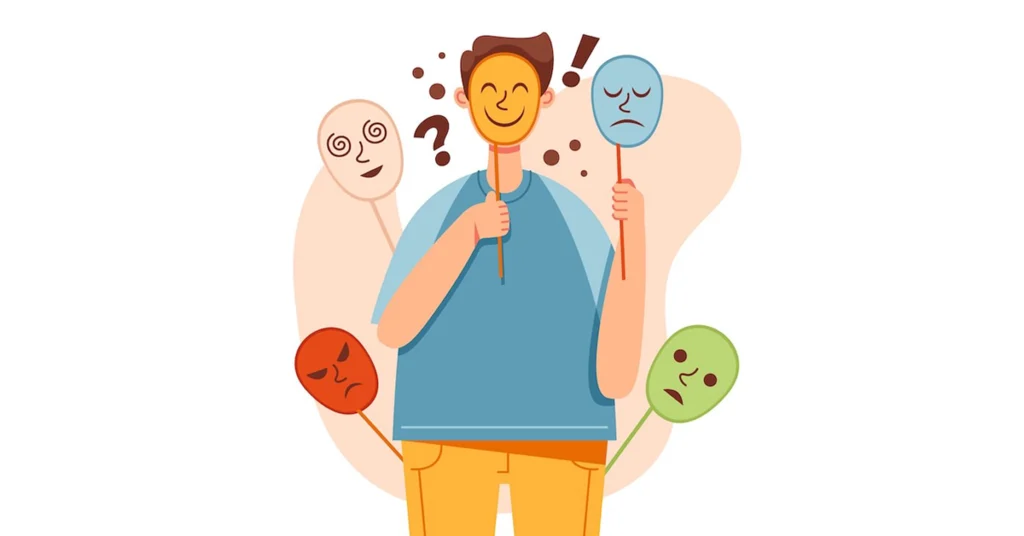
Emotional wellness is the ability to understand, accept, and manage your emotions. Your inner world can be cloudy sometimes, and that’s completely normal. You need to acknowledge the fact that emotional awareness is more important than emotional control. Being happy all the time does not mean a person is emotionally balanced. The goal is to have a good understanding of your triggers and phases, and to deal with them naturally rather than suppress them. A gentle way to build emotional balance is to understand and name what you feel. Are you experiencing anxiety or nervousness? Or is it sadness? Writing your thoughts or talking to a trusted friend can be helpful.
Here are some ways to care for your emotional health:
- Practice labeling your emotions positively rather than judging yourself for feeling them.
- Protect your inner peace by establishing clear boundaries. Learn to say no when necessary.
- Practice self-compassion and treat yourself the same way you would treat someone who is worrying.
- Asking for help is not a sign of weakness. Communicate with friends and professionals when needed.
The Simple Act of Writing
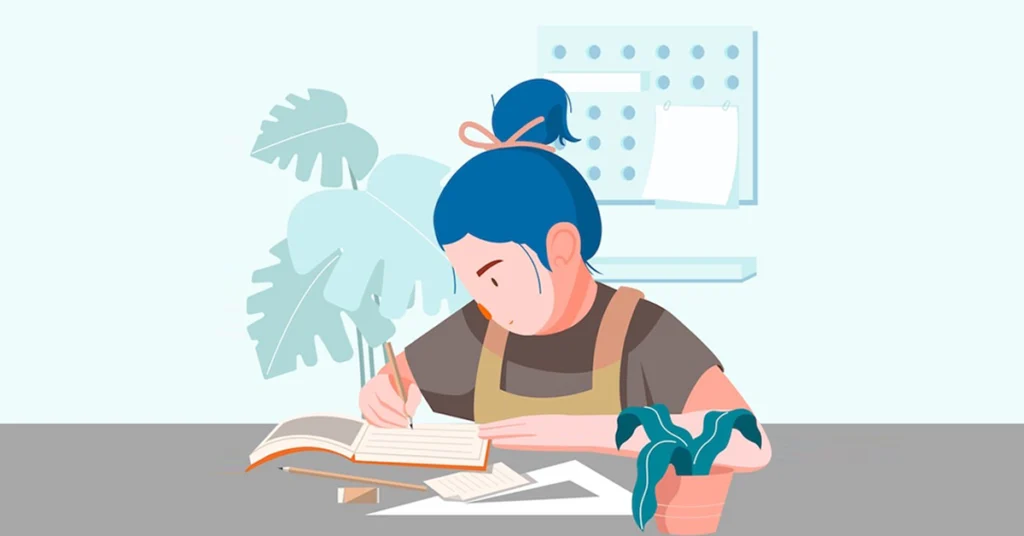
Journaling involves writing down your thoughts and decluttering your mind. Among all other wellness tools, journaling is the simplest yet most transformative habit as it provides you a safe space to unload all your thoughts without the fear of judgment. Journaling helps clarify your thoughts and make better decisions.
A journal can be a safe space to:
- Dump thoughts and reduce mental clutter
- Track habits and goals
- Express emotions
- Express gratitude
- Plan your week
Journaling is a simple yet effective way to achieve wellness. You don’t need a fancy journal or prompts to start. Just grab a notebook and a pen and begin pouring out your thoughts.
The Necessity of Self-Care
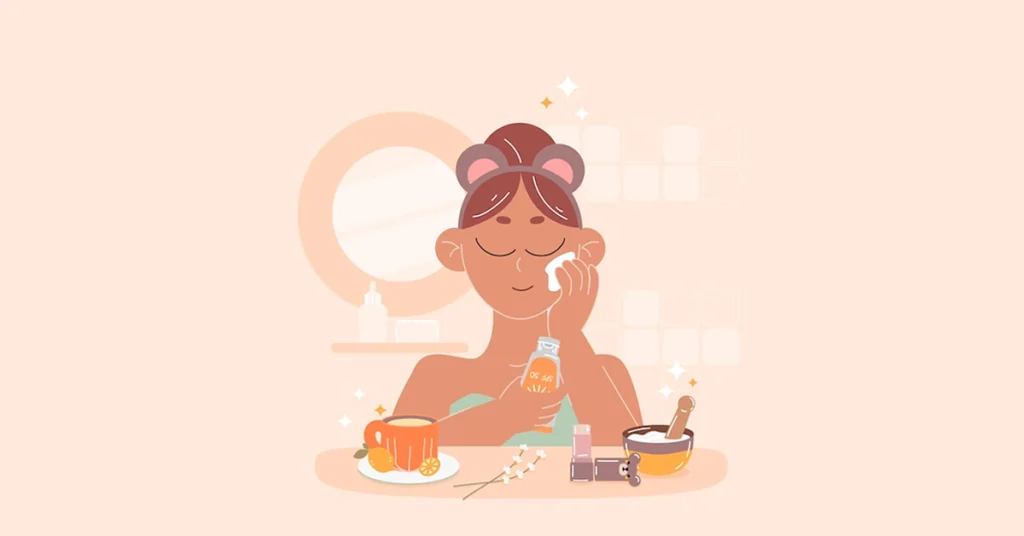
Self-care is about nurturing your mental, physical, and emotional well-being. It’s not luxury skincare or spa days; it simply can be anything you do to support yourself. Prioritizing self-care along with other important aspects of your life is essential. Think of it as everyday maintenance and not something that requires appointments. Caring for your body and mind is a crucial step towards wellness. You don’t elaborate routines; simple acts like staying hydrated, getting enough sleep, and eating nutritious food can make a significant difference.
Meaningful self-care can include:
- Saying no without guilt
- Drinking enough water
- Taking short breaks during work
- Resting when tired
- Doing something joyful
- Spending time offline
By establishing your own small routines, you are strengthening your resilience. This can help you feel stress-free and use your health for improved productivity.
Balancing Goal and Habits
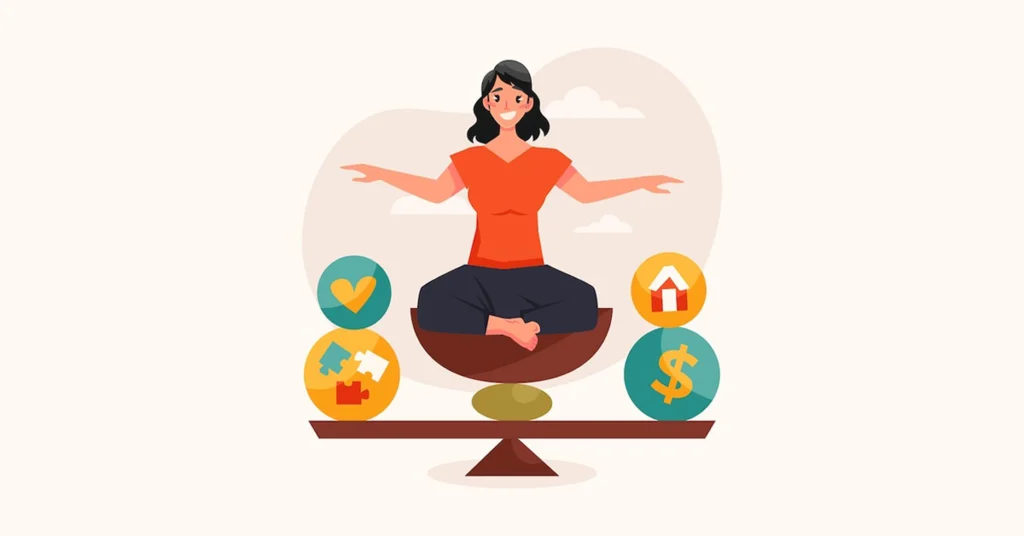
Wellness can be achieved by making small yet impactful changes to your daily habits. Consistently taking small steps can be helpful over time. Pursuing small goals helps you focus on quality rather than quantity. Goals should be flexible enough to avoid feeling overwhelming.
The 1-3 habit method is a minimalist approach for balancing goals and habits. It helps prevent the common pitfall of being overly ambitious and giving up after a week. This method involves setting one habit each for the mind, body, and emotional balance. It doesn’t need to be perfect; it just needs to be consistent. A habit practiced every day is far more powerful than a 60-minute habit done once a month.
Your Mind Needs Offline Moments
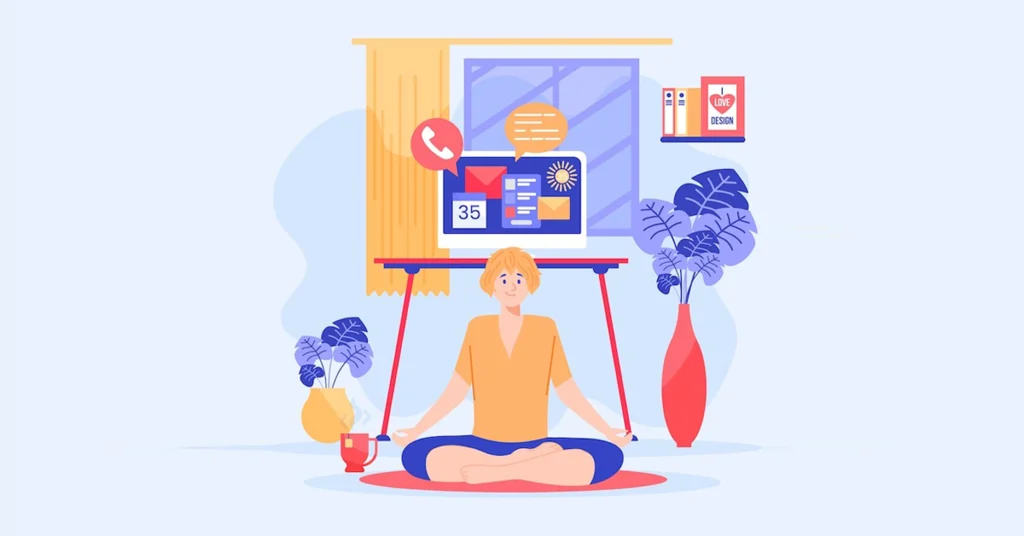
Digital wellness involves utilizing technology to support healthy habits instead of negatively impacting your mental, physical, and social health. Establishing clear boundaries for digital use is essential for maintaining your peace of mind. Excessive screen time is linked to reduced attention span. When you reduce digital noise, your clarity and calmness will increase naturally.
Here are a few strategies to try:
- Phone-free mornings:
Refrain from grabbing your phone the first thing in the morning to check notifications or browse social media. Don’t use your phone until you’ve finished your morning routines. Before going to bed, the same thing is important. Avoid using the phone an hour before bedtime.
- Screen-free meals:
Eating while using the phone can lead to mindless consumption. This can disrupt your body’s signal to hunger and fullness.
- Setting boundaries for social media:
Over time, social media can become addictive, reduce your attention span, and diminish your self-esteem. Controlling how much time you spend on social media is essential to preventing stress and worry from harming your mental health.
Minimalism and Decluttering
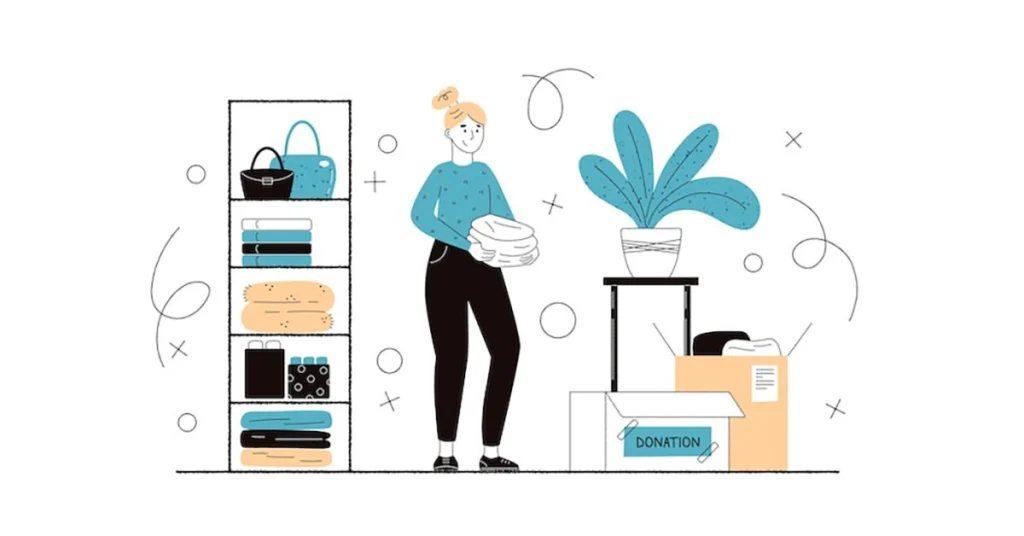
Your environment plays a huge role in your mental wellness. Stress is frequently brought on by a messy room because it causes a cluttered mind. Decluttering your space once in a while can be beneficial for your mental well-being. Decluttering is identifying what is truly important and what is not. Throwing away everything to make space is not the best practice. Prioritize value over quantity and release items that are kept for “just in case” that never comes.
Additional advice consists of:
- Gently arrange your house. Start by keeping your home’s drawers and small areas tidy and organised.
- Keep everything clean and in place. It gives you the sense of home.
- Creating open, breathable spaces.
- Reducing visual noise, that is, less clutter, frees up your mental energy for more important things.
Nourishing Your Connections

People are social beings with an innate desire to connect. They are essential for you to feel good and strong. You can reduce stress and improve your health by taking care of them. Having supportive friends and family helps you to be your best self.
Here’s how you can focus on making your connections healthier:
- Healthy Communication:
Healthy communication can be achieved by talking and listening in a respectful manner. Say things clearly without expecting the other person to read your mind. Talking and listening are equally vital. Pay attention and wait calmly for your chance to respond.
- Respecting Boundaries:
Boundaries are the rules you set for how others can treat you. Learn to say no to things when you don’t have the time for them. Taking moments for yourself is also equally important as creating boundaries for others.
- Spending Quality Time:
How you use the time you have is what matters, not how long you spend. Engage in joyful activities with your partner. Respect and listen to each other’s viewpoints.
- Avoid Toxicity:
Surround yourself with uplifting people and avoid toxic ones. Disagreements are natural, but attacks and criticism are a toxic pattern. Learn to forgive and move on from these patterns rather than being stuck.
Work, Life, and Rest
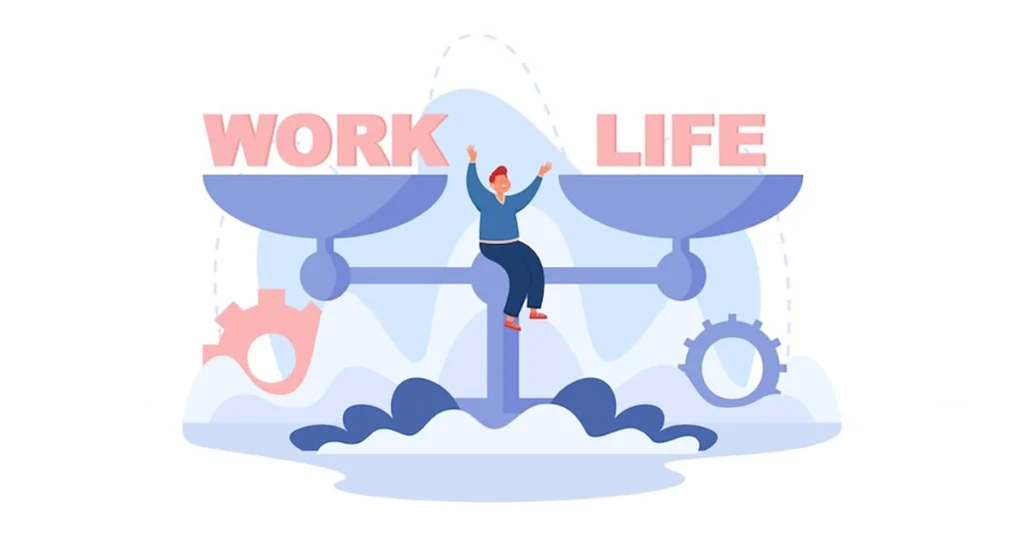
Modern work culture often needs us to be constantly ‘on’ and ready to complete duties. However, this can eventually lead to burnout and fatigue. The secret to striking a balance is not allocating equal time for work and relaxation, but rather knowing when to take a break. We must actively protect our energy by creating clear boundaries for life beyond work.
Here are a few simple steps that you can follow:
- Take Regular Breaks:
Working for long hours can make your brain tired and unable to focus. Short breaks can help you regain your focus and boost productivity. Try standing up, stretching, or looking out of the window.
- Set Clear Boundaries:
When it comes to work-life balance, building a fence around yourself is very crucial. To work, you must establish a clear schedule and stay within the allotted time. For instance, telling yourself and others that you won’t check email after 6:00 PM and following it properly keeps your work from spilling into your personal life.
- Avoid Multitasking:
Focus your energy on one task at a time. Multitasking can lead to incomplete work. Your brain wastes energy by switching between tasks. Focusing on a single task lets you do it faster and better, which saves you time in the long run.
Effective time management is essential for a thriving work-life balance and a fulfilling personal life, forming the solid foundation of your future.
Building Your Best Self

The best way to build yourself is to learn about who you are and what you want to be. Creating your own guide to be a better you is the first step in developing yourself. Try not to copy a predetermined set of ideas someone has set for themselves. The journey of personal growth starts within yourself and is a huge part of wellness. It means learning new things as well as unlearning many.
Here’s how you can grow:
- Reading books, articles, and other pieces of information can help you get exposed to new sets of ideas and ways of thinking.
- Enrolling in formal or informal courses like cooking, dancing, or even academic courses such as coding or communication can help you build confidence and skills.
- Describing clear and concise goals can help you achieve them more efficiently.
- Be grateful for all your life experiences. Gratitude changes your focus from what you lack to what you have.
Growth doesn’t occur overnight. It is achieved by consistency and embracing moments of discomfort and negativity. Every little step you take will make you a more capable and authentic version of yourself.
Conclusion
Living a healthy lifestyle does not require drastic changes. It begins with understanding your mind and body. Start by identifying your unique needs, and starting small will help you start your journey towards wellness. You may realize your body craves fresh, nutritious foods or your mind seeks moments of tranquility. By understanding and creating small changes in your overall lifestyle, you can build a life that supports your long-term wellness. As you enrich your lifestyle with these simple steps, you will foster an environment that supports long-term health, enhancing both your physical vitality and emotional well-being, leading to a happier, more fulfilling life.
Frequently Asked Questions
1. What are the 7 types of wellness?
The seven types of wellness include:
1. Physical
2. Emotional
3. Intellectual
4. Social
5. Spiritual
6. Environmental
7. Occupational
These all together represent the holistic approach to your body’s overall well-being. When these areas are balanced, you can experience a happy and healthier life.
2. What is the 3-3-3 rule for habits?
The 3-3-3 rule is a simple rule that builds consistency by choosing three habits and doing them for 3 minutes and continuing the routine for three weeks. This method helps you lower resistance and build habits with ease rather than feeling pressure. This helps you stay committed, which in the long term helps you achieve more changes in your life.
3. What is the worst habit for anxiety?
The worst habits for anxiety include:
1. Poor sleep hygiene
2. Lack of exercise
3. Excessive use of social media
4. Negative self-talk
5. Poor food choices
6. Procrastination
7. Overthinking
The worst habits are overthinking and constantly replaying events, worries, and fears. This habit keeps your stress response active and makes your brain search for more threats. Lack of sleep increases activity in the brain’s fear centre. Poor diet and lack of exercise can cause anxiety. Consuming nutritious food and a proper diet can considerably reduce anxiety and related issues.
4. How to stay positive in difficult times?
To stay positive in difficult times, focus on what you can control. Practice gratitude and be grateful for little wins in your life. Nurture relationships and bond with people who are good for your mental health. The key factor is realizing and accepting the fact that difficult times are a part of your life, and you just have to go with the flow and focus on good things.
5. What are the 7 habits of longevity?
The 7 habits of longevity include:
1. Nutrient-rich diet
2. Staying physically active
3. Maintaining strong connections
4. Managing stress
5. Getting quality sleep
6. Avoid harmful substances
7. Engaging yourself in activities
These habits support your body’s long-term health and reduce the risk of diseases and mental health concerns.
