
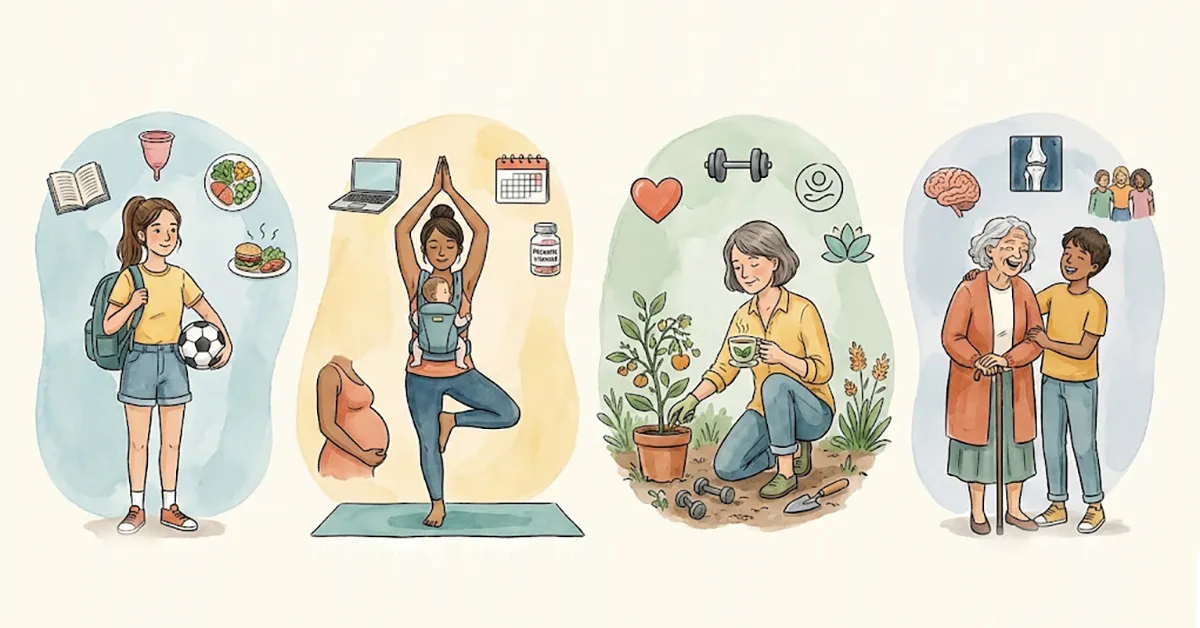
Being disease-free is not the sole definition of health. It’s about feeling confident, balanced, and full of energy. Each person has a unique health experience. Physical, mental, and emotional issues are particularly prevalent among women. Women are often expected to take care of everything in the home and at work. Women are often pressured to do so. However, this can eventually lead to serious health problems.
To help women make well-informed decisions, this article compiles essential information regarding women’s health that they should be aware of in one place. Based on research and studies, this article aims to inform you about women’s health and related topics. It is essential to consult your doctor before making decisions.
Key Takeaways:
- Understanding hormonal changes is essential because hormones influence periods, pregnancy, metabolism, skin, and how smoothly a woman moves through her life.
- Prioritize whole foods and maintain a simple workout routine, which will help women stay active and feel energized.
- Mental health directly affects your physical well-being. Understanding how stress impacts women’s health helps women protect their periods, sleep, energy, libido, and appetite.
- Regular checkups and screening help in the early diagnosis of crucial diseases. Breast exams and thyroid tests help women become aware of health conditions at an early stage.
- Every stage is a crucial step in a woman’s life that comes with lots of adjustments and sacrifices. Be it menstruation or menopause, postpartum or motherhood, she needs the right kind of support to survive and live a healthier and happier life.
Table of Contents
Women’s Health and Hormones
A woman’s body is constantly changing since birth. Especially during adolescence and puberty, a woman’s body undergoes significant changes caused by hormonal fluctuations. Hormonal issues not only interfere with reproductive health but also impact long-term wellness. Female sex hormones-estrogen and progesterone have the most influence on women’s health, from menstruation to pregnancy to menopause. A woman’s body also produces various other hormones that affect other aspects of her daily life. From mood swings to tiredness, hormonal fluctuations can affect sleep, mood, skin, appetite, energy, metabolism, digestion, and fertility. Understanding hormonal health and balance is crucial for women’s health and menstrual health.
Important signs of hormonal imbalance:
- Irregular, heavy, or painful periods are caused by a hormonal imbalance when the estrogen level fluctuates. Absence or irregular periods can also be a result of an unhealthy diet, stress, and lack of exercise.
- Sudden changes in weight, such as weight loss or gain, are a matter of concern. Weight issues are usually associated with menopause and also hormone-related conditions such as thyroid disorders and PCOS.
- Hair loss and excessive growth are both symptoms of the hormonal imbalance. Excessive growth happens mainly during pregnancy, and thyroid disorders can cause hair loss due to the production of male hormones.
- Hormonal issues can interfere with sleep patterns. Lack of quality sleep causes anxiety and irritability.
Hormonal imbalance makes it harder to conceive because it disrupts the menstrual cycle, ovulation, and fertility. When sex hormones are not in balance, they cause severe cramps and even complications in pregnancy. Over-the-counter pain relievers such as acetaminophen or Tylenol may provide temporary relief. However, the root cause should be managed by medical evaluation and proper treatment.
Period Care and Menstrual Wellness
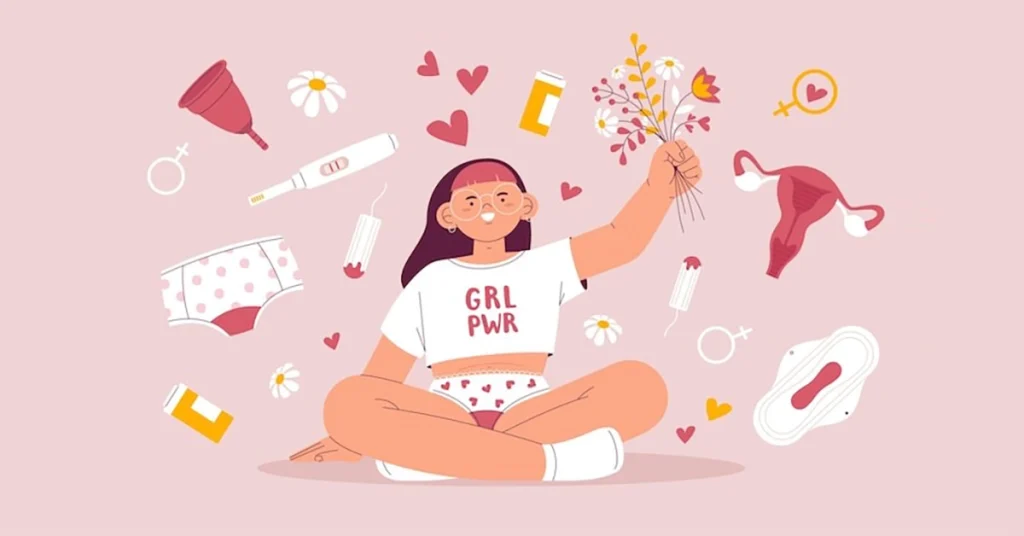
Period care is not just about managing bleeding; it means understanding your own body and making it comfortable during those days. Small habits can make a huge difference in managing discomfort and cramps.
Your body works extra hard on period days. So give it extra support by following these tips:
- Drink plenty of water to reduce bloating.
- Eat iron-rich food for energy.
- Use a heating pad to relax your muscles.
- Rest more during heavy flow.
- Warm baths and light stretching can be beneficial in managing cramps.
- Take small breaks and breathe deeply to manage your emotional fluctuations.
- Choose comfortable sanitary products, such as pads, tampons, and menstrual cups, that do not irritate your skin.
- Make sure to change your pad or menstrual cup at regular intervals.
Period care is all about you and your body. Listen to its needs and take care of yourself in the best way possible.
Women’s Sexual Wellness
Women’s sexual health is often overlooked and not talked about openly. Sexual health is not solely about intimacy; it is about knowing one’s own body and understanding sexuality. When women start connecting with their bodies and communicating about their needs, it positively influences confidence, mental health, and relationships. A major part of sexual wellness is exploring how your body works. Understanding how hormonal changes affect your body during menstruation, pregnancy, childbirth, and menopause. Some women experience vaginal discomfort and mood variations during premenopause and menopause. Communicating your problems with your partner can improve your relationship as well as comfort.
Key components of sexual wellness include:
- Understanding your body and its natural changes.
- Expressing your physical needs and discomforts.
- Emotional safety and respect in relationships.
- Self-pleasure is important for sexual wellness.
Exploring your sexuality isn’t something to feel guilty about. Women deserve self-care and space to explore themselves without judgment. Prioritize good sleep, promote open communication, and seek professional help if necessary.
Health, Nutrition, and Fitness
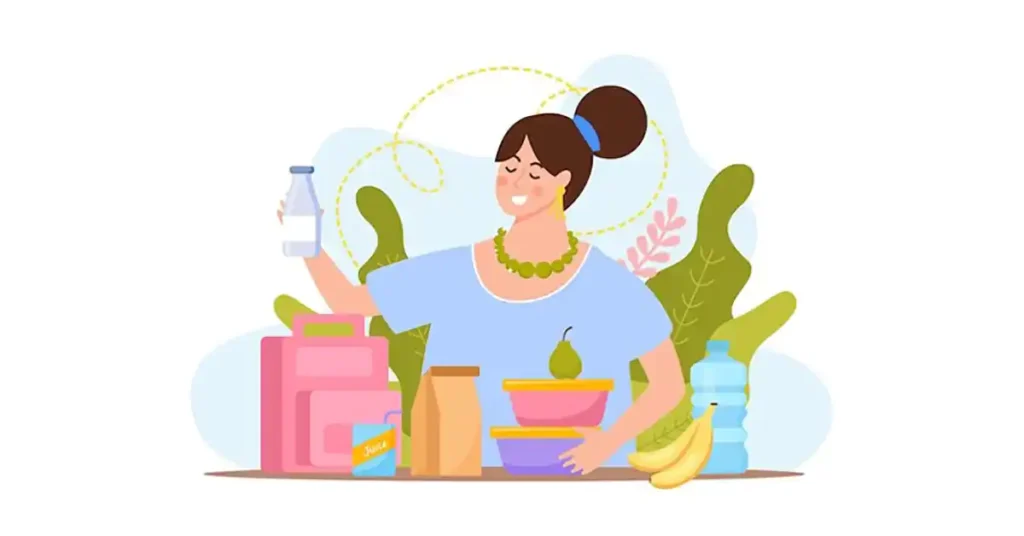
There is no need for extreme diets or tight fitness schedules for women to remain healthy. The key to fitness is consistency and nourishment. Listen to your body’s needs, add what it lacks, such as nutrients and vitamins. Adding essential supplements to your diet and consuming them consistently can help you build stronger and more stable health.
Foods That Support Women’s Health
- Healthy fats: avocado, olive oil, nuts, seeds.
- Green vegetables: spinach, kale, broccoli.
- Protein: Eggs, fish, tofu, chicken.
- Iron-rich foods: beetroot, beans, red meats, and pumpkin seeds.
- Calcium and Vitamin D: dairy, millets, almonds.
These foods together help regulate hormones, support bone health, and maintain overall energy.
Fitness Routines That Work Best for Women
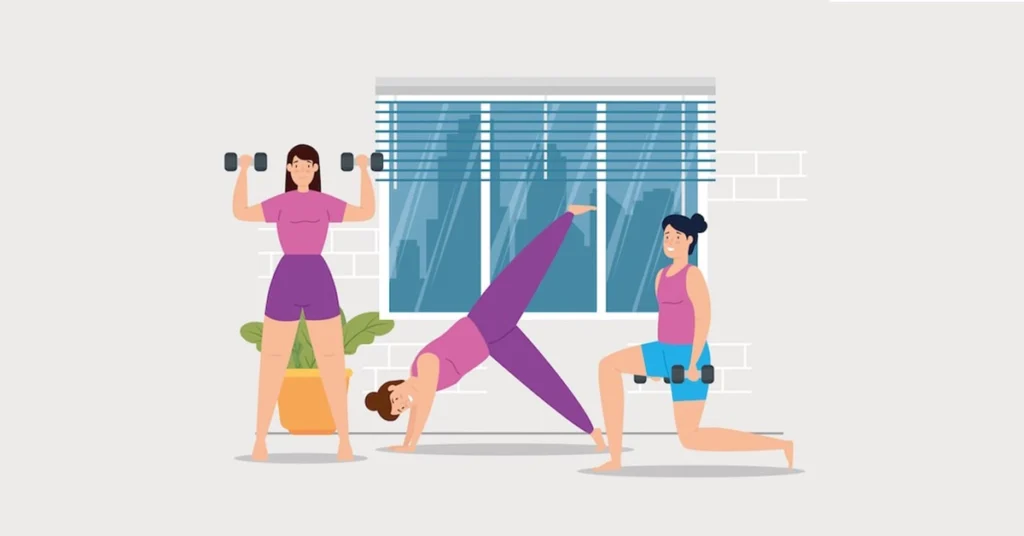
- Strength training boosts metabolism and bone density.
- Walking daily helps with easy fat loss, regulates mood, and is good for heart health.
- Yoga or Pilates builds flexibility, balance, and core strength.
- Cardio in moderation supports heart and lung health.
Women don’t have to work out for hours. The key to fitness is choosing what works for you and following the routine consistently.
Do Supplements Work?
Supplements are substances or products added to a person’s diet when there is a lack of certain nutrients. They can support nutrition gaps when taken with medical guidance. Some of the best supplements to improve women’s health are:
- Omega-3
- Iron
- Calcium
- Vitamin D
- Magnesium
- Probiotics
Each of these supplements plays a different role, from improving energy and mood to supporting gut and bone health. Remember that supplements are meant to be a supplement to a balanced diet, not a replacement for food.
Mental and Emotional Health
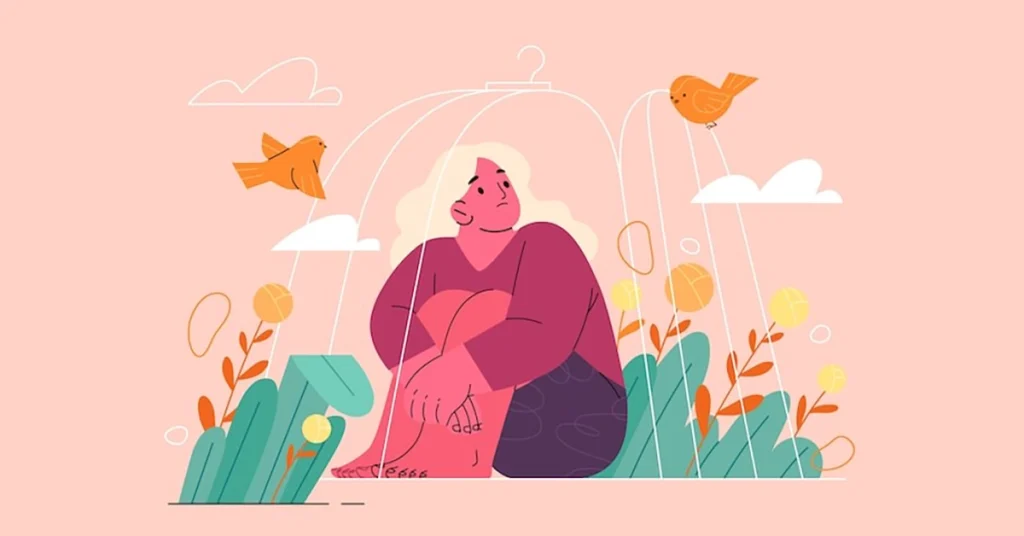
According to research, women are twice as likely to experience anxiety and depression as men. Women experience mental health issues during hormonal transitions like puberty, postpartum, and menopause. Many women do not realize the importance of acknowledging their issues and seeking help. Mental health plays a huge role in women’s physical well-being. Stress alone can disrupt hormones, digestion, libido, metabolism, and sleep.
How Can Women Manage Stress?
Stress management is a crucial part of integrated women’s health. Stress can affect menstruation, causing irregular periods, anxiety, sleep problems, and so on. Understanding stress warning signs is very important for proper management. Women can manage stress by prioritizing and practicing self-care and coping strategies. Start with small, consistent habits that are effective and enjoyable.
Here are a few tips to get started:
- Setting clear boundaries and creating a work-life balance. Saying no when necessary can create space for emotional rest.
- Balance your diet by including healthy fats, magnesium, vitamins, and other essential nutrients.
- Improving your sleep routines can be effective for stress management.
- Exercise or participate in physical activities.
- Scheduling time for your hobbies.
When is Women’s Mental Health Month?
Women’s Mental Health Month is observed every May in the U.S. This month focuses on women’s specific mental health needs and encourages women to seek support and care for their mental well-being.
Why does it matter?
Women face unique pressures such as career, family, and caregiving roles, which cause them mental burden, leading to anxiety and depression. Focus on creating a work-life balance and prioritize the importance of saying no when necessary. Avoiding unwanted stress can help regulate and manage mental health. Women must be aware of the impact of hormones on their mental health during pregnancy, postpartum, and menopause. This month raises awareness against mental health issues and how early diagnosis and treatment can help you lead a better and happier life.
Preventive Care and Awareness
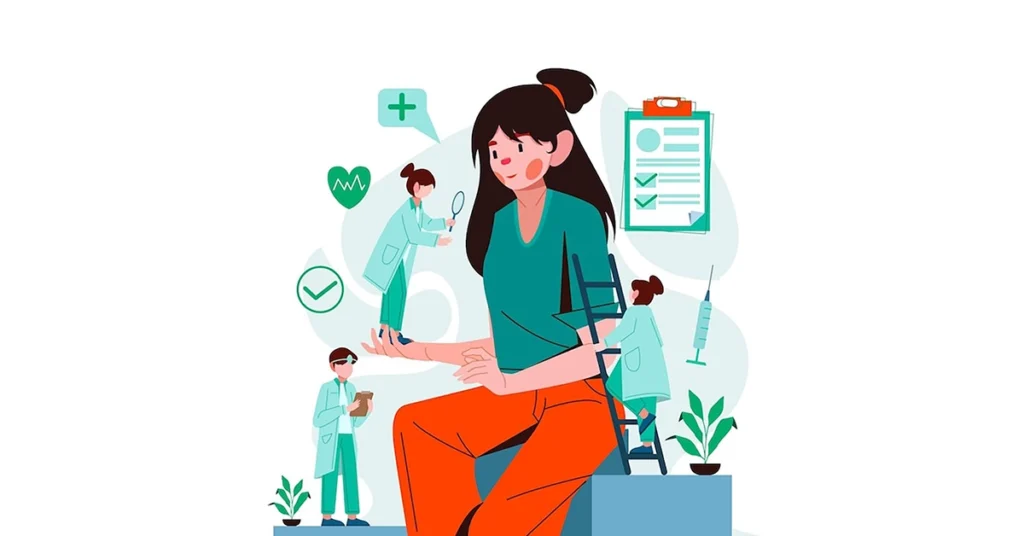
Women usually give their health less priority due to constant work pressure and household chores. But prioritizing preventive care protects long-term well-being. Preventive care includes listening to your body’s changes and acting accordingly. This means regular screenings and checkups help you be ahead of health issues and treat them before they get out of hand.
Why Is It Important?
- Early diagnosis and detection of serious conditions like breast cancer, thyroid issues, and heart diseases help in curing them in the early stages.
- Certain diseases start silently. Regular checkups can help prevent them.
- Early monitoring also helps women stay ahead of PCOS risk and diabetes.
Early diagnosis can save lives. One of the serious conditions that occurs in women is breast cancer. Approximately 2.3 million women were diagnosed with breast cancer in 2022, and 670,000 deaths were reported. Early diagnosis through self-checkups, screenings, and noticing changes increases the chances of survival and better treatment.
Here’s a General Care Checklist You Can Follow:
- Blood Pressure
- Cholesterol
- Blood Sugar
- BMI/Height/Weight
- Dental exams
- Eye Exams
Your doctor will recommend some tests, such as mammograms, Pap smears, colonoscopies, thyroid and hormonal tests, based on your age and health condition. Even before a health issue arises, women should prioritize their medical care. Preventive examinations are not something that is done when time permits; rather, they are an act of self-respect and self-care.
Postpartum and Motherhood
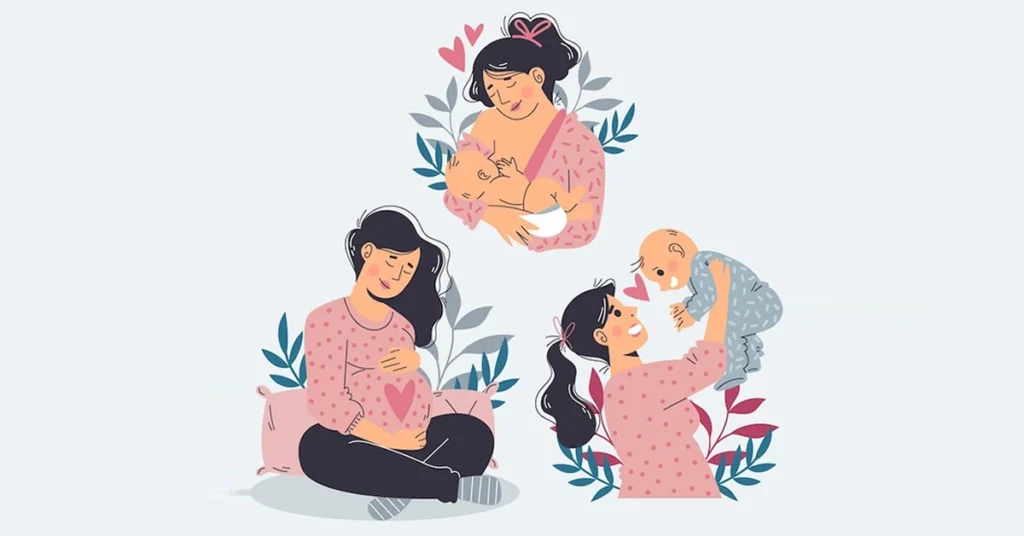
Postpartum refers to the period right after childbirth. This period can last up to six weeks or more for some women. During this phase, women experience physical, mental, and emotional distress and changes as the body heals from pregnancy.
During postpartum, women may experience:
- Physical issues such as fatigue, soreness, and bleeding.
- Hormonal shifts cause night sweats, hair fall, and skin changes.
- Anxiety and potential depression.
Taking proper rest, hydration, and gentle movements prescribed by a medical practitioner can help your recovery process go faster and healthier.
Postpartum is not just recovery; it is the rebirth of a woman alongside the beginning of a new journey of motherhood. A woman stepping into her motherhood may experience several issues, such as sleep deprivation, emotional distress, breastfeeding struggles, and much more. Motherhood isn’t just a role; it is a lifelong process of learning, sacrifice, and unconditional love.
Menopause and Aging
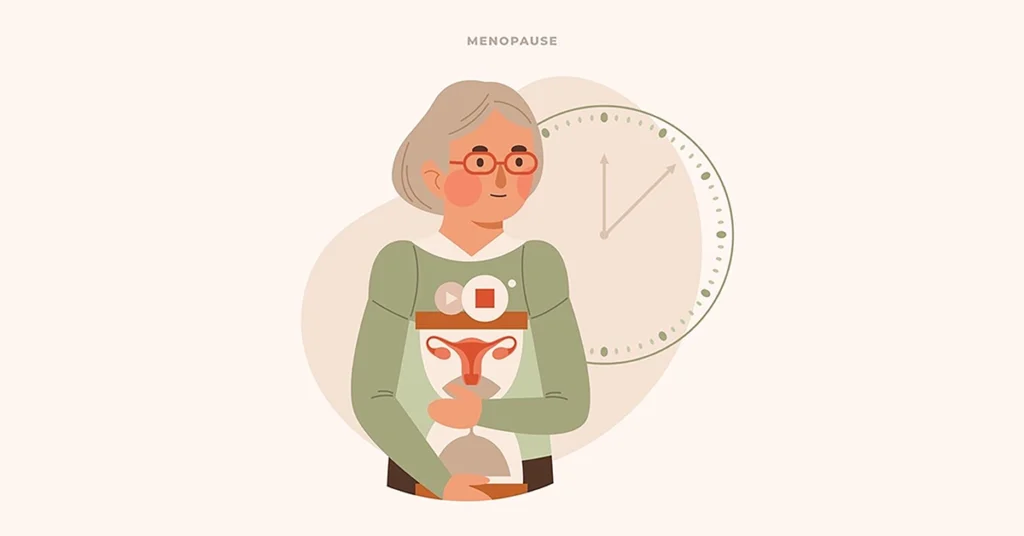
Menopause is the stage of a woman’s life when her periods stop permanently. This transition is a natural phase and not a disorder or disease. It is caused by a great decline in the two main hormones, estrogen and progesterone. With the right support, lifestyle habits, and awareness, women can grow stronger and more confident with age. Some women have no or mild symptoms, while some may experience symptoms such as:
- Hot flashes
- Sleep changes
- Vaginal dryness
- Mood fluctuations
- Brain fog
- Pain during sex
- Joint and muscle discomfort
- Difficulty concentrating
Most women begin this transition between the ages of 45 and 55. These symptoms can last for between two and eight years. The average age of menopause is 52. When you experience a whole year without periods, it means you have reached menopause. The symptoms that are experienced are normal, but if they disrupt your daily routines, you can consult a medical practitioner for advice.
Menopause symptoms can be relieved by making lifestyle changes such as:
- Strength training
- Good sleep hygiene
- Taking supplements with medical guidance
- High fiber diet
- Mindful stress reduction
Menopause is a phase that has to be dealt with love and self-care. Women can move through this phase with resilience and step into a healthy and confident version of themselves.
Conclusion
Health is a harmony of mind, hormones, nutrition, daily habits, and more. Understanding one’s own body is the first step to improving health. Every stage of women’s life deserves care, not just when something goes wrong. Women move forward through seasons of change. From periods, pregnancy, motherhood, postpartum, and menopause. Each phase brings in a lot of changes in the body, causing emotional and physical shifts. From period care to the healing journey of postpartum, to responsibilities of motherhood, women deserve care and support that is compassionate and rooted in science.
Frequently Asked Questions
1. What is the most common disease in females?
There is no single disease that affects all women universally, but anemia, anxiety and depression, thyroid disorders, and urinary infections are the most common diseases found in women. These issues are caused by unhealthy lifestyle habits such as stress, unhealthy sleep hygiene, frequent fast food consumption, and many more.
2. What is the 3-3-3 rule diet?
The 3-3-3 rule is a general dietary guideline that encourages including three well-balanced meals every day. For this diet, each meal should include three essential food groups, such as protein, healthy fats, and carbohydrates. A key element in following any kind of diet is following a proper time to consume each meal. You must avoid intake of food at least three hours before going to bed to support metabolism and digestion.
3. What are the four happy hormones?
Dopamine, serotonin, oxytocin, and endorphins are the four hormones that stimulate happiness. These hormones play a major role in regulating mood, motivation, and stress relief. They can be boosted through healthy habits such as exercise, sunlight exposure, and maintaining good social connections.
4. What are the 7 categories of mental disorders?
The seven major categories of mental disorders include anxiety disorders, mood disorders, such as depression, anxiety, and bipolar disorder, and psychotic disorders like schizophrenia, personality disorders, and eating disorders. PTSD and neurodevelopment disorders such as ADHD and autism are disorders related to trauma.
5. What are the three essential vitamins?
The three big vitamins essential for overall health are vitamin D, which supports bone strength and immunity, vitamin B12, which is vital for energy production and brain function, and vitamin C, which helps strengthen immunity, promote healing, and maintain healthy skin.
